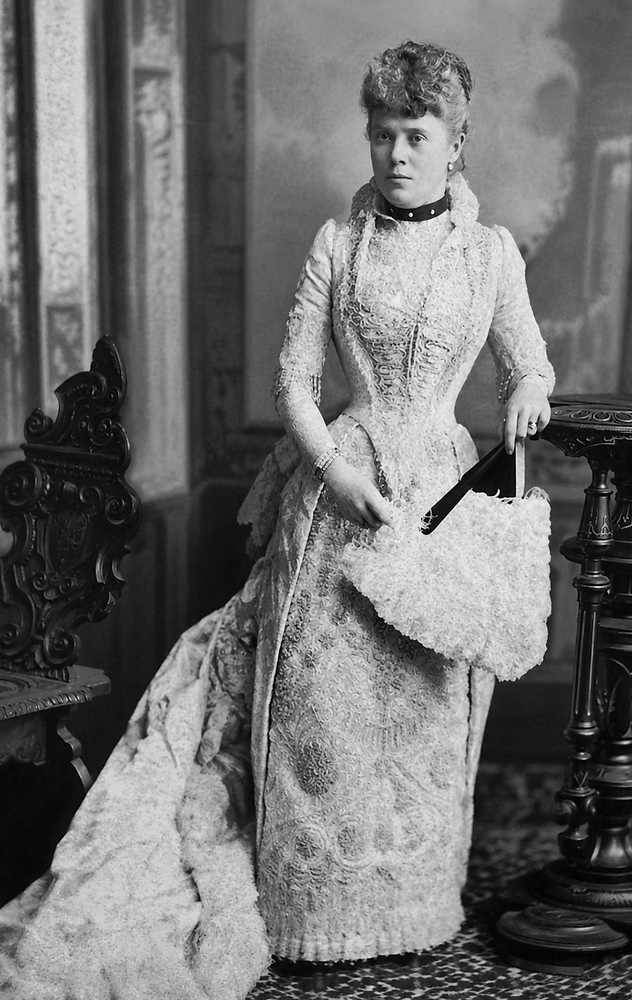
Key figure
Ida Alice Shourds
1848–1930
- Born July 4, 1848 · Little Egg Harbor, New Jersey
- Married Henry M. Flagler 1883 (Ida 35, Henry 53) · divorced 1901 · 18 years
- Died July 12, 1930 · Central Valley, New York · age 82
Former caregiver for Mary Harkness who became Flagler's second wife.
Biography
Early life
Ida Alice Shourds was born on July 4, 1848, in Little Egg Harbor, New Jersey. Her parents were the Reverend John Howard Shourds, an Episcopalian minister, and Margaret Shourds. Her father died while she was young, and she grew up in modest circumstances. The family’s financial insecurity reflected the limited support available to widows and children in that period.
The record of her early life offers few details about her schooling or daily routines. It does, however, describe a young woman who looked for ways to support herself. Before entering nursing, Ida Alice briefly pursued work on the stage. She later trained as a nurse, a choice that would bring her into the household of one of the era’s most prominent businessmen and change the course of her life.
Her later public identity was closely tied to Henry Morrison Flagler, but her story began before that connection. She came from a minister’s family, faced financial uncertainty, and moved from performance work to a practical vocation. The surviving account does not describe her ambitions in her own words, so her motivations cannot be known with certainty. What is clear is that nursing placed her in close contact with the Flagler family during a difficult period for them.
Nursing and the Flagler household
As a trained nurse, Ida Alice Shourds became caretaker to Mary Harkness Flagler, the ailing first wife of Henry Morrison Flagler. Mary had been ill for a prolonged period, and Ida Alice’s work brought her into the household as both caregiver and witness to the family’s private life. Her role was not simply an introduction to a wealthy family: it involved caring for a woman whose illness shaped the household for years.
Through this work, Ida Alice came into close contact with Henry Morrison Flagler. He was a cofounder of Standard Oil, and his business career had made him a figure of substantial wealth and influence. Yet the relationship between the nurse and the businessman developed in the setting of Mary’s illness. The account records the sequence of events but gives little detail about their private conversations or about how their attachment began.
Mary Harkness Flagler died before Ida Alice and Henry married. Their marriage followed on June 5, 1883. The change from caregiver to wife placed Ida Alice in a markedly different position, within a household and society shaped by her husband’s wealth. It also means that her personal history cannot be separated from the circumstances in which she first met him: she had entered the family to care for his first wife.
Marriage and public life
Ida Alice Shourds and Henry Morrison Flagler were married at Madison Avenue Methodist Church in New York City. She was thirty-five years old, and he was fifty-three. The marriage joined a woman whose earlier life had included modest means and nursing work to a man whose business success would soon be associated with large investments in Florida. The account describes Ida Alice as adapting for a time to her new social position.
Since Henry's son Harry was still in New York and needed to be cared for, Ida and Henry kept Satanstoe in Mamaroneck, NY.
Later in 1883, the couple traveled to Florida, visiting Jacksonville and St. Augustine. Their journey made a strong impression on Henry Morrison Flagler. It influenced his subsequent investments in Florida hotels and railroads, projects that would transform his fortune and contribute to the state’s development. The account identifies the trip as a turning point in his business interests, though it does not describe Ida Alice’s own view of the places they visited or her part in the decisions that followed.
For a time, Ida Alice served as hostess at elaborate gatherings attended by prominent families. This public role was a visible aspect of her life as Henry’s wife. It required her to occupy a social position very different from the one she had held as a nurse. The available account offers no list of the gatherings or of the guests, but it records her participation in the formal social world surrounding her husband.
The marriage later became strained. By the early 1890s, Ida Alice’s behavior was changing, and she developed an intense interest in Spiritualism. She held séances and made increasingly public claims about visions and communications. She also spoke openly about her husband’s involvement with another woman. These matters brought increasing difficulty to the marriage. The record gives no account in Ida Alice’s own voice, and it cannot establish how she understood the changes in her life. It does show that her public statements and spiritual interests became central to the strain between the couple.
Illness and legal separation
In 1895, at Henry Morrison Flagler’s request, Ida Alice was examined by physicians and specialists in mental illness. They concluded that she suffered from what was then described as “delusional insanity.” That phrase belongs to the language of the period and records the doctors’ conclusion; it should not be mistaken for an account of Ida Alice’s own understanding of her condition.
In November 1895, she was admitted to a private sanitarium in Pleasantville, New York. The facility was later known as the MacDonald House in Central Valley. Although there were periods when her condition appeared to improve, doctors ultimately considered it incurable. The account does not describe the treatment she received or the details of her daily life at the institution. It does establish that her removal from public life began in 1895 and continued for the rest of her life.
In 1899, a New York court legally declared Ida Alice insane and appointed a committee to manage her affairs. This legal finding formalized the loss of control over her personal and financial matters. Her institutional care and the court’s decision took place amid the breakdown of her marriage, but the record does not supply the full proceedings or allow a more detailed reconstruction of her legal position.
After establishing residency in Florida, Henry Morrison Flagler obtained a divorce in 1901. The divorce was granted under newly enacted laws that allowed a marriage to be dissolved on the grounds of incurable insanity. The legal separation followed years of illness, institutional care, and increasing distance between husband and wife. Ida Alice’s life after the divorce remained largely outside public view, while Henry’s business and Florida projects continued to attract attention.
Later life and legacy
Ida Alice Shourds Flagler spent the remainder of her life under institutional care at Central Valley, New York. She died there on July 12, 1930, aged eighty-two. Her death came decades after the end of her public role as Henry Morrison Flagler’s wife and hostess. The surviving account gives little information about her later years, making it impossible to describe her daily experience or private thoughts with confidence.
She was buried at Cypress Hills Cemetery in Brooklyn, New York. Her life is often introduced through her connection to Henry Morrison Flagler, but the basic outline also records a path of her own: a childhood marked by financial insecurity, brief stage work, nursing, marriage into a prominent family, and many years in institutional care. Her story is therefore not only part of the history of a wealthy family. It also concerns a woman whose circumstances changed sharply, and whose later life was largely hidden from public view.
Across the archive
Stories featuring Ida Alice Shourds
Historical article
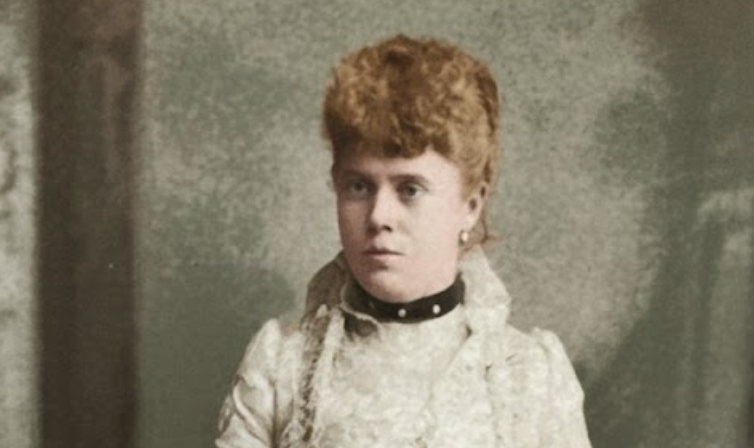
The Tragic Life of Ida Alice Shourds Flagler: Madness, Money, and a $300 Million Divorce
The Price of Madness: Ida Alice Flagler and the $2 Million Settlement. Ida Alice Flagler was born in 1848 and grew up in Philadelphia.
Historical article
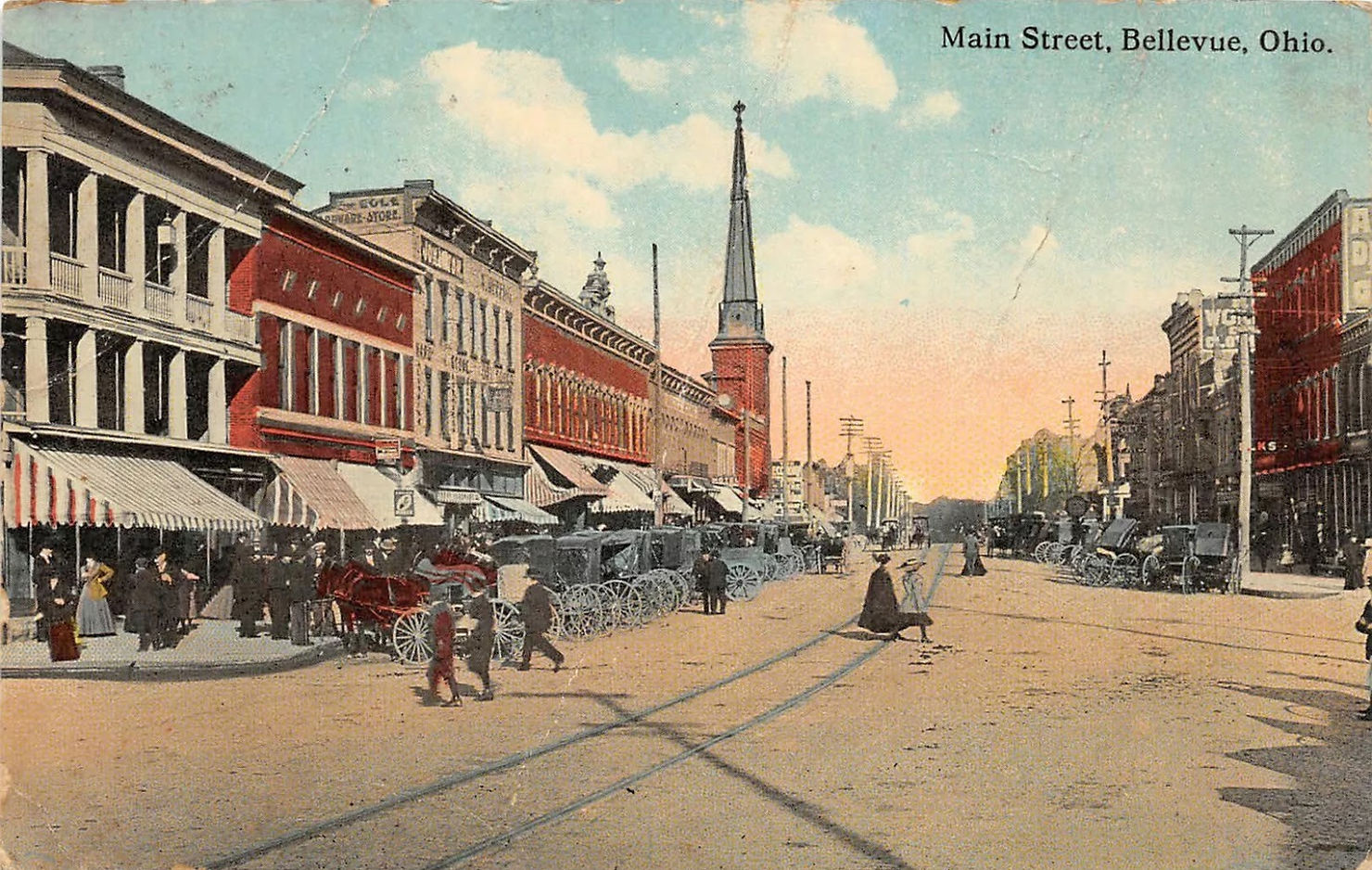
The Day Henry Flagler and Will Harkness returned to Bellevue, Ohio
The last time Henry Flagler visited Bellevue was in October 1903 with Will L. Harkness.
Historical article
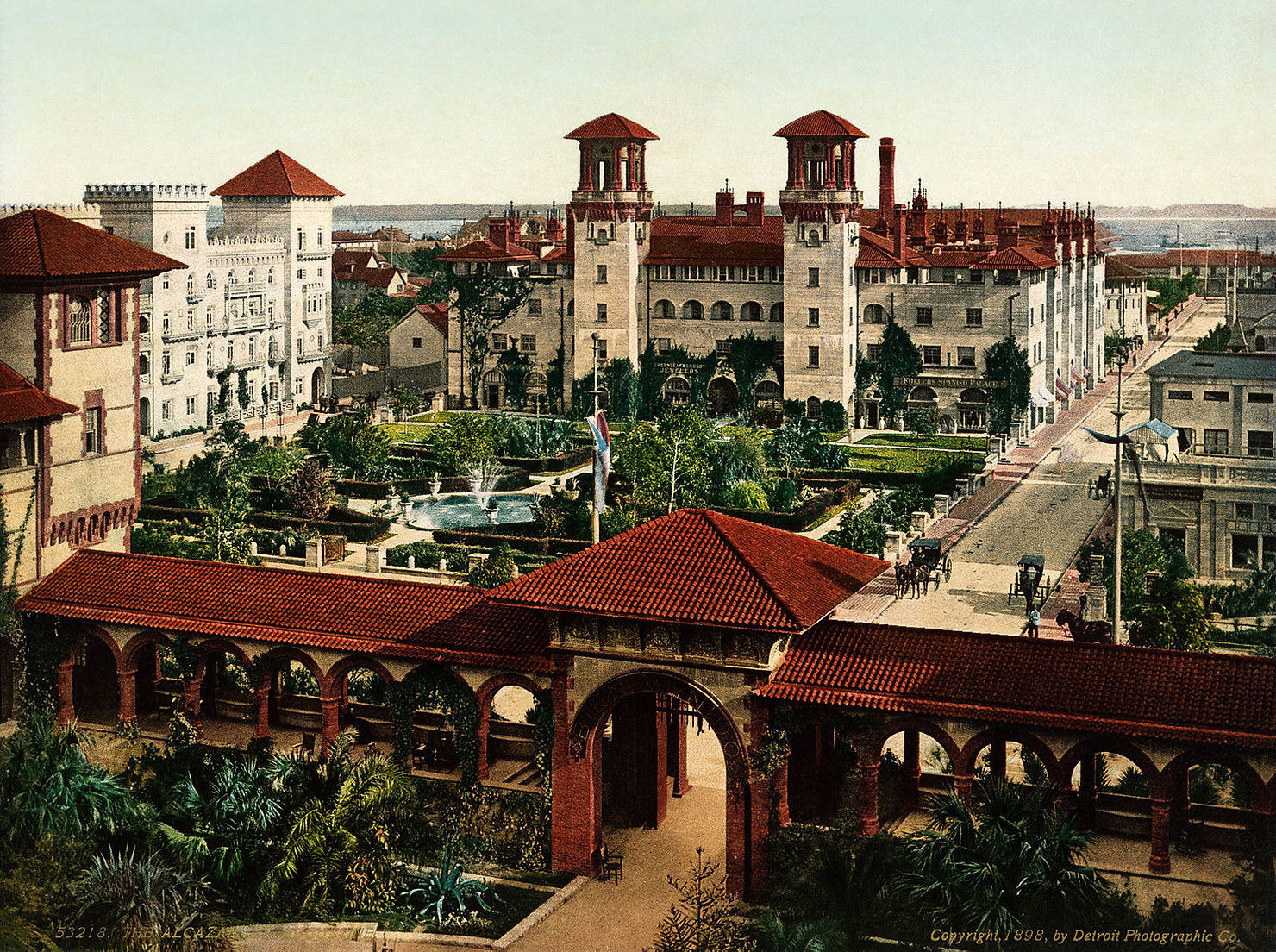
St. Augustine, Florida – Flagler’s start in Florida
The seeds for Henry Flagler’s “drift south” from the cold winters of Ohio and New York were likely started by Henry’s first wife Mary Harkness.
Historical article
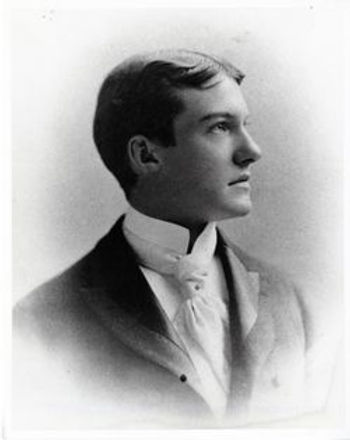
Harry Harkness Flagler
Harry Harkness Flagler was the only son of Henry M. Flagler and Mary Harkness Flagler.
Historical article
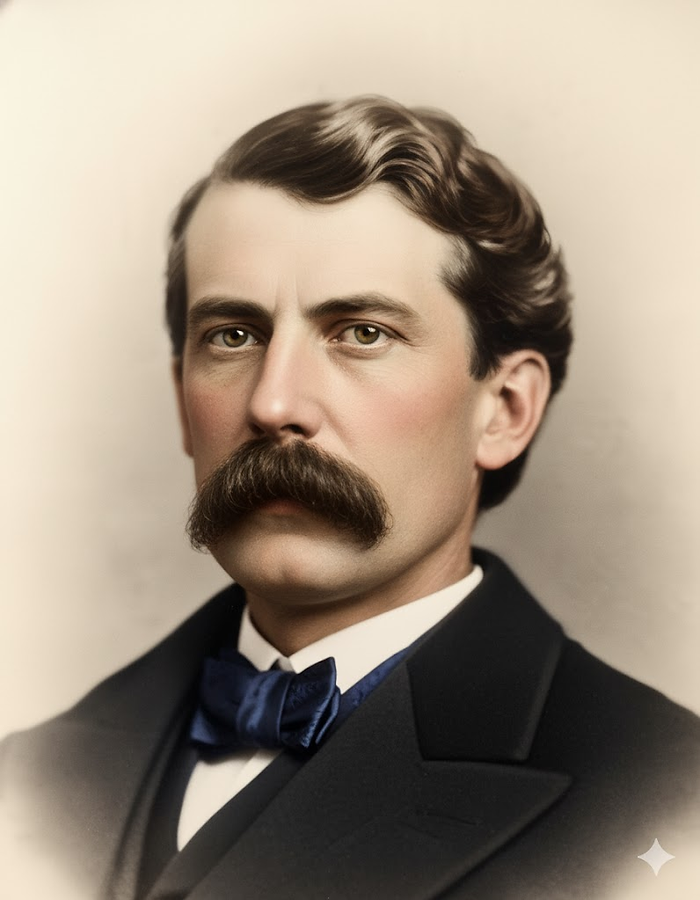
Henry M. Flagler
Click to see how they were all related! Henry Morrison Flagler (January 2, 1830 – May 20, 1913) was an American industrialist and a founder of Standard Oil, which was first based in Ohio.
Historical article
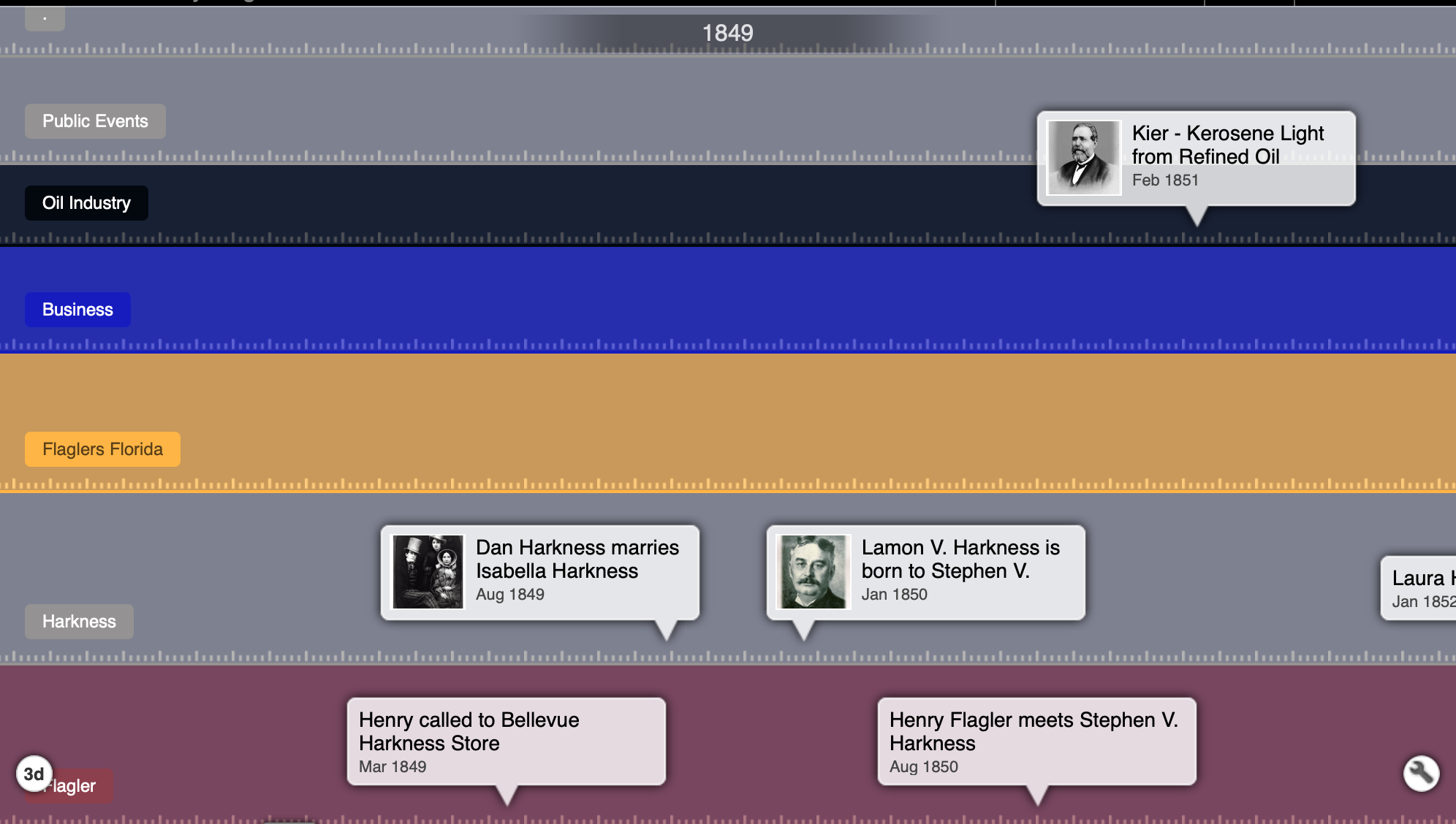
The Harkness/Flagler Timeline
View Timeline It’s often fascinating to observe historical events and their connection to concurrent events occurring at the same time.