Key figure
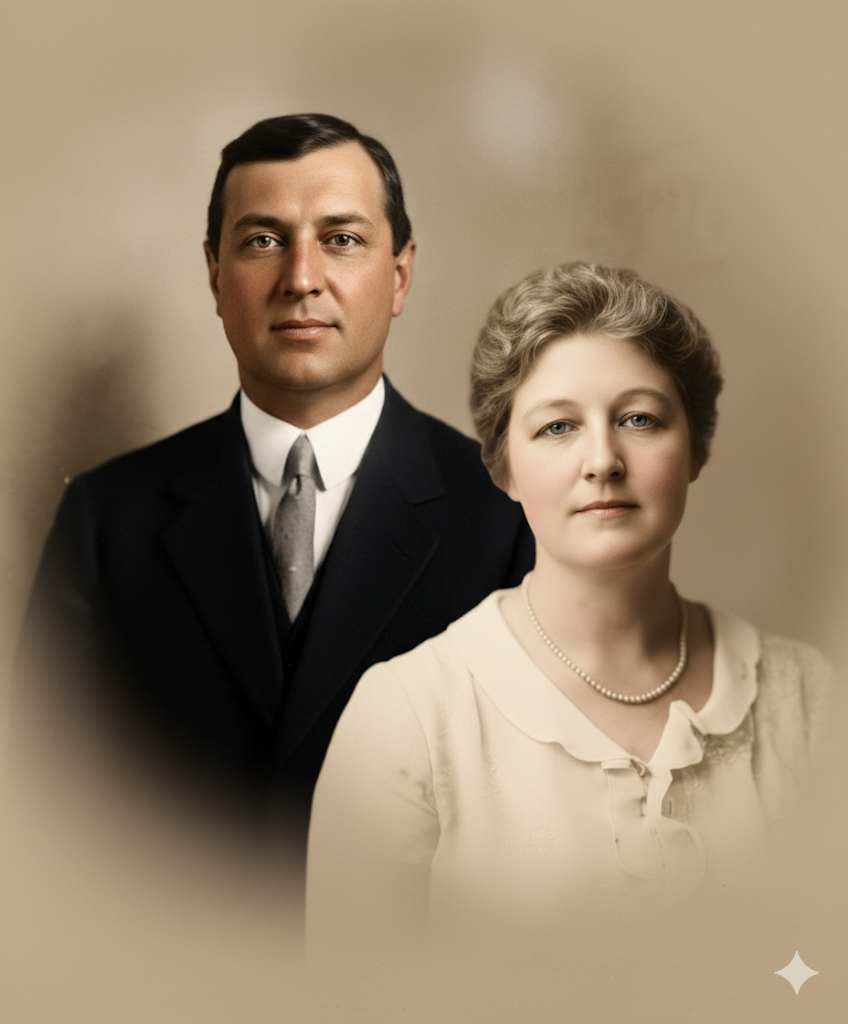
William Mosely Swain Sr.
born 1800s?–1940
- Born 1940
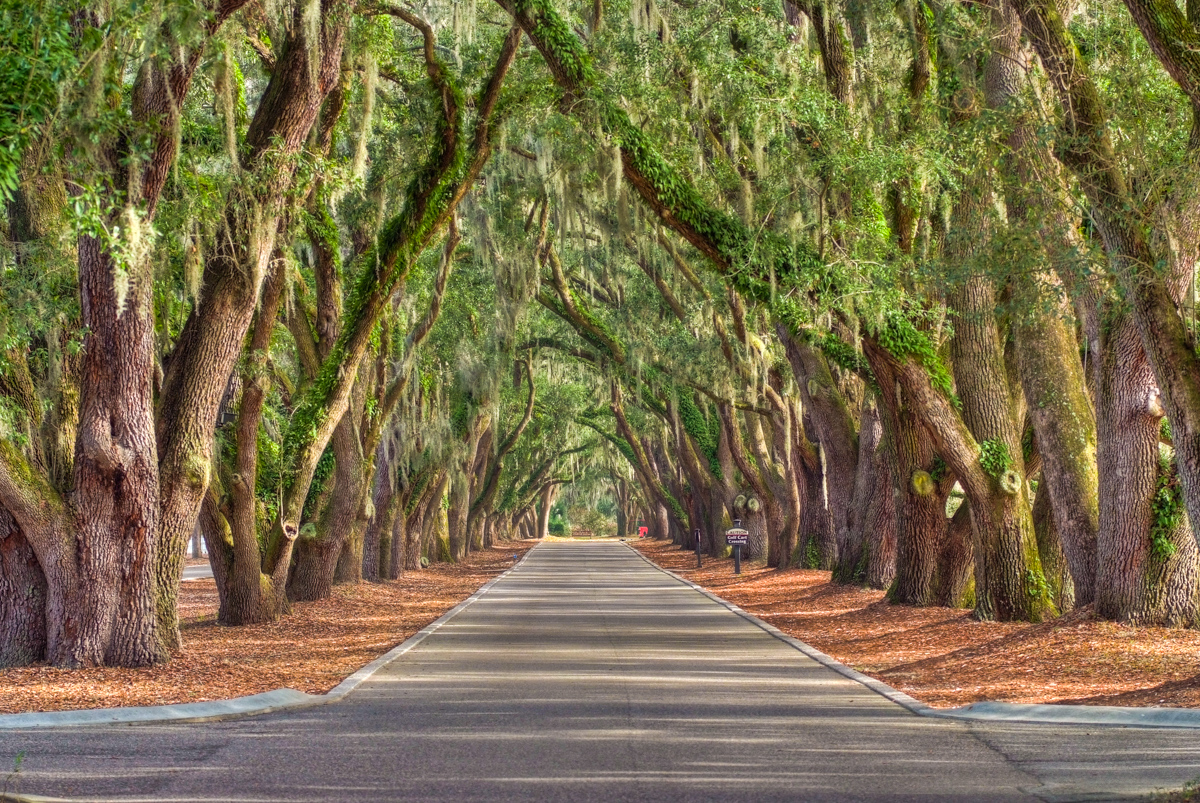
Built a new mansion at Belfair and planted the oak trees lining the Avenue of the Oaks; died in 1940
Biography
Arrival at Belfair
William Moseley Swain Sr. became closely associated with Belfair Plantation in Bluffton, South Carolina, during the late 1920s. The archive also gives his name as William Mosely Swain Sr. It records that he bought Belfair in 1924 and, in 1928, moved there from Philadelphia with his wife and their three children. The plantation offered him the setting he wanted: a Southern estate where he could take up the life of a country landowner.
Swain’s move belonged to a broader pattern. During the 1920s, affluent Northerners came south and acquired land, adopting the role of “gentleman plantation owners.” The archive describes Swain as a third-generation heir who spent the family fortune. His grandfather, William Moseley, had amassed wealth through newspaper and telegraph ventures, establishing the Ledger in Philadelphia in 1836 and the Sun in Baltimore in 1837. This family background helps explain how Swain could pursue an ambitious project at Belfair, though the archive does not give further details about his finances or his life before the move.
Belfair itself had a much longer history. The plantation was established in 1811, and its land passed through a succession of owners before Swain acquired it. The archive’s timeline places the sale to him in 1924. By the time he arrived with his family, Belfair carried the history of an older coastal estate, but Swain set about making it his own.
The mansion and Avenue of the Oaks
William Moseley Swain Sr. began his work at Belfair by building a new mansion and planting the oak trees that would become the Avenue of the Oaks. The trees were planted in the late 1920s, forming a lasting feature of the property. Today the avenue is one of the most recognizable traces of Swain’s years there, linking his personal ambitions to the landscape that later generations came to know.
The house stood at Wigg Point, a name connected to the earlier ownership of Belfair by William Wigg Barnwell. The mansion’s design made a strong impression. Its arched front doors opened onto curved double steps from the porch, which was supported by four Corinthian-style columns. Around the house, the grounds included roses, cedars, camellias, and evergreen hedges. Together, the architecture and planting gave the residence a formal setting suited to the social life Swain created there.
The house was built of tabby, a coastal building material used for plantation houses and fortifications. The archive notes that tabby was known to strengthen over time, but also says that Swain’s house had a flaw in its construction. The account begins to describe Swain taking on the engineering, but the material available does not explain the problem or record how it was addressed. What it does make clear is that the mansion was both an imposing home and a substantial building project.
Swain’s planting of the avenue and the development of the grounds were not incidental touches. They helped shape the approach to the house and the character of the estate. The oaks planted in the late 1920s outlasted the immediate period of his ownership, preserving a visible part of the landscape he created. The archive identifies him specifically as the owner who planted them.
Family life and entertaining
William Moseley Swain Sr. shared Belfair with his first wife, Jean Coltart Scott Swain, and their three children. The archive describes them as moving from Philadelphia to the plantation in 1928. Swain’s household included Louise Morse Scott Swain Gay, born on March 31, 1901; Phyllis Coltart Swain Robinson, born on September 30, 1903; and William Moseley “Billy” Swain Jr., born on September 27, 1911. The archive gives the children’s later surnames as part of its family account.
The arrival at Belfair was followed by a painful loss. In 1929, Jean Coltart Scott Swain died in Bluffton, leaving Swain and the children. The archive notes that the family’s loss came in the same year as the stock-market crash. It gives the ages of the children in December 1929 as 28, 26, and 18. This account places a personal bereavement alongside the wider economic shock, but does not provide further detail about how either event affected Swain’s later life.
Despite the loss, the mansion became a place of regular entertaining. The Swains often hosted parties there, and some attracted national attention. The archive does not name the guests or describe particular occasions, but its account makes clear that the house was not merely a private retreat. It served as a setting for gatherings that brought attention to Belfair and to the Swain household.
Belfair in its wider setting
William Moseley Swain Sr.’s changes at Belfair took place within a landscape marked by successive eras of ownership. Before it became a plantation, the area was likely inhabited by the Yamasee and earlier Indigenous peoples. In the colonial period, the land formed part of the Devil’s Elbow Barony, claimed by Lord Proprietor Sir John Colleton. The archive traces the property through later transfers and sales, eventually recording Belfair’s establishment in 1811 and its purchase by Swain in 1924.
That long history provides context for the contrast between the older plantation and Swain’s plans for a new mansion and landscaped grounds. He did not establish Belfair, but he left a clear mark on its appearance. The house at Wigg Point and the oak-lined avenue expressed a renewed investment in the estate at a time when Northern buyers were acquiring Southern land. His project was personal, yet it also belonged to a wider 1920s fashion for remaking plantation properties as private country homes.
The later history of Belfair continued after Swain’s years there. The archive records a sale to Walter Lee Mingledorff in 1951 and subsequent changes of ownership, followed by the creation of a golf community in the 1990s. Those later developments transformed the property, but the Avenue of the Oaks remained a prominent feature associated with Swain’s period. His best-documented legacy at Belfair is therefore not a public career or a record of civic work, but the landscape and residence he created.
Later life and legacy
William Moseley Swain Sr. died in 1940, according to the supplied biographical information. The archive does not state the date or place of his death, nor does it describe his final years. Belfair was sold again in 1951, after his death. Without further information, it is not possible to say how he spent his later life or what arrangements followed his death.
What remains clear is the scale of his imprint on Belfair. Swain bought the plantation, moved there with his family, built a new mansion, and planted the oaks that line the Avenue of the Oaks. His home’s columns, curved steps, and carefully planted grounds gave the estate a distinct appearance, while its parties made it a social destination. The avenue, in particular, carried his work beyond his lifetime: a planted approach that became one of Belfair’s enduring landmarks.
Across the archive