Topic · 1700–1940
The Southern Gilded
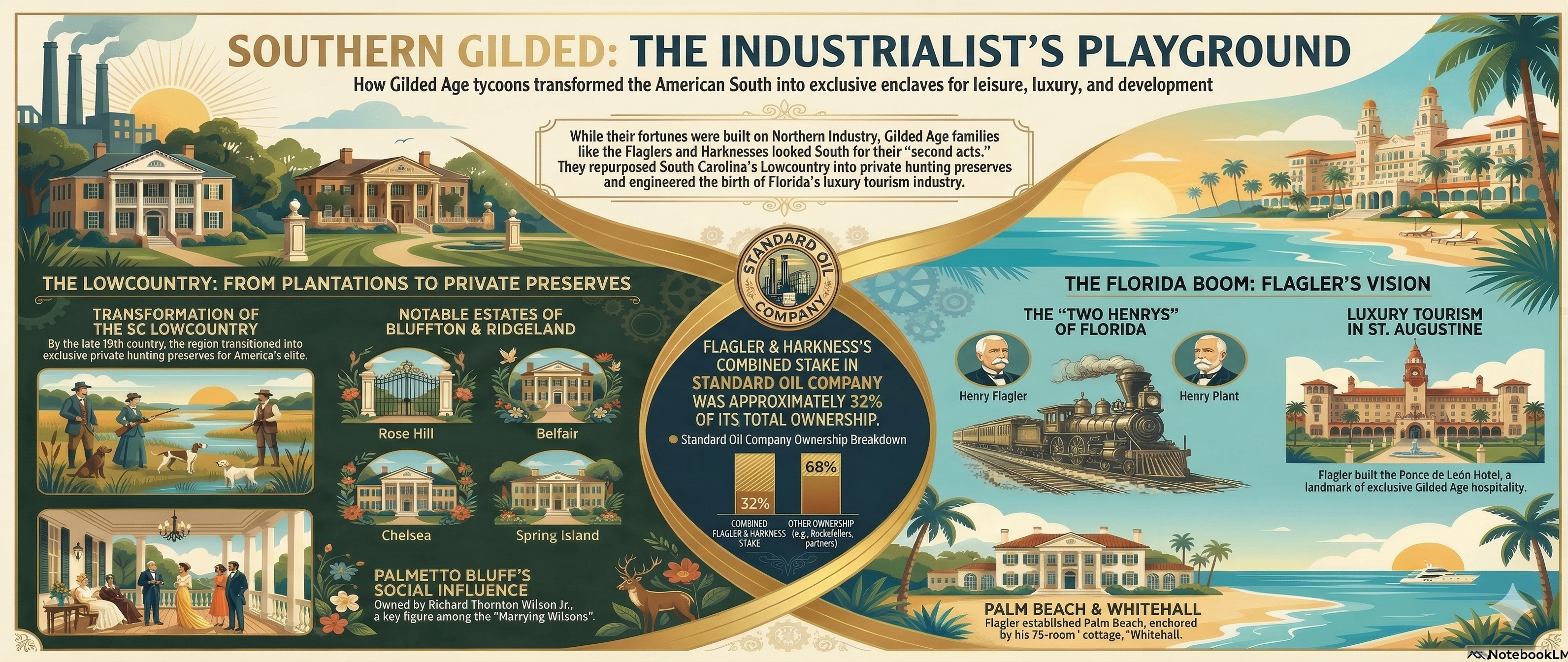
Explore the sporting estates of South Carolina and Georgia, and trace how some Gilded Age retreats became part of a lasting story of land conservation.
Majestic Estates and Lowcountry Preservation
At a glance
The story behind the legacy
Long before Gilded Age oligarchs established their sporting preserves and winter estates along the South Carolina and Georgia coasts, this tidal landscape had already been repeatedly shaped, contested, and burned during the American Revolution and the Civil War. The "Southern Gilded" story is fundamentally about immense Northern industrial wealth arriving to take root directly atop two centuries of plantation agriculture, royal baronies, and devastating wartime conflict.
Layers of War: Colonial Baronies to the Union Gunboats
To understand why Northern tycoons were able to assemble massive coastal domains for mere pennies on the dollar, one must look at the scars already carved into the soil. Stretching from Charleston's harbor down through Beaufort, Bluffton, and the Georgia Sea Islands, this corridor had been a volatile frontier since the King Charles II colonial land grants and the Lords Proprietors:
The Revolutionary Crucible: During the Revolutionary War, the Lowcountry was torn by bitter partisan warfare. British troops, Loyalist raiders, and Patriot militias fought across the marshes; historic estates were plundered, rice dykes sabotaged, and sanctuaries like Prince William's Parish Church (Sheldon) burned to shells by the British in 1779.
The "Bluffton Movement" and Secession: Decades later, Bluffton served as the ideological cradle of the Civil War. Under the historic Secession Oak in 1844, Robert Barnwell Rhett launched the "Bluffton Movement," igniting the radical push for Southern independence.
The "Great Skedaddle" and Scorched Earth: When Union gunboats captured Port Royal Sound in November 1861 during the Battle of Port Royal, Confederate planters and their families fled the barrier islands in a panicked civilian and military exodus known as the "Great Skedaddle." Beaufort became a major Federal headquarters, Port Royal Sound hosted the Union South Atlantic Blockading Squadron, and in June 1863, Union forces steamed up the May River and deliberately torched Bluffton, leaving two-thirds of the town in smoking ruins.
By 1865, emancipation, military occupation, and economic collapse had shattered the plantation economy. The vast rice kingdoms and Sea Island cotton operations along the Ashley, Cooper, Broad, and May Rivers were bankrupt, heavily taxed, and slipping back into maritime wilderness.
Northern Fortunes on Fallen Ground
Where an impoverished planter class saw insurmountable ruin, Gilded Age industrial barons saw opportunity: pristine tidal rivers, expansive quail woods, and prime winter sporting retreats. By the late 19th century, private rail cars brought captains of industry enriched by Standard Oil, Wall Street, retail, and manufacturing to buy up tens of thousands of contiguous acres.
Rather than building stone palaces like Newport or Fifth Avenue, they established timber hunting lodges, winter retreats, and coastal game preserves—veiled behind moss-draped live oaks and constructed atop colonial baronies and antebellum plantation sites.
Bluffton and Beaufort County: The New Enclaves
Along the waterways of Beaufort and Jasper counties, this collision of martial history and Gilded Age capital became especially stark:
Palmetto Bluff & The "Marrying Wilsons": Richard Thornton Wilson Jr., whose siblings married into the Astor, Vanderbilt, and Goelet families, consolidated more than 20,000 acres of historic May River plantations into a grand estate. His four-story, 72-room winter palace hosted high-society hunts until burning in 1926, leaving only the brick chimneys standing along the bluff today.
Sporting Baronies: Plantations with colonial roots like Belfair (part of the Devil's Elbow Barony), Spring Island, and Chelsea were acquired by industrial figures, including polo legend Pete Bostwick and steel heir John S. Phipps, who transformed agricultural fields into renowned private preserves.
Wall Street's Secret Haven: On Hilton Head Island, Wall Street financier and physicist Alfred Lee Loomis purchased thousands of acres of maritime forest for a private shooting syndicate long before the island's modern resort era began.
The Broader Coastal Rim: Charleston to the Golden Isles
The Gilded Age migration echoed up and down the coast:
Charleston's Revival: Northern buyers purchased landmark townhouses along the Battery and acquired antebellum river plantations along the Ashley and Cooper rivers (such as Middleton Place and Magnolia), pumping private capital into early historic preservation and garden restorations.
Beaufort’s Sanctuary: Spared from widespread burning during the war due to Union occupation, Beaufort's waterfront mansions and surrounding barrier islands became tranquil winter retreats for Northern timber syndicates, artists, and sportsmen.
The Jekyll Island Phenomenon: South of Savannah on the Georgia coast, the Jekyll Island Club emerged as the exclusive winter citadel of America's elite. Members representing one-sixth of the world’s wealth—including William Rockefeller, J.P. Morgan, and Joseph Pulitzer—gathered to hunt, golf, and negotiate national finance far away from public scrutiny.
The Living Tapestry
The story of the Southern Gilded Age cannot be separated from the conflicts and people that preceded it. By acquiring and fencing off these massive acreages, Northern industrialists inadvertently conserved tens of thousands of acres of coastal wetlands, pine savannas, and maritime forests from early commercial subdivision. At the same time, they overlaid modern corporate wealth onto an environment rooted in colonial land grants, the deep culture of the Gullah Geechee community, and the scars of two defining American wars.
More in this Topic
All Southern Gilded stories
Latest in Southern Gilded
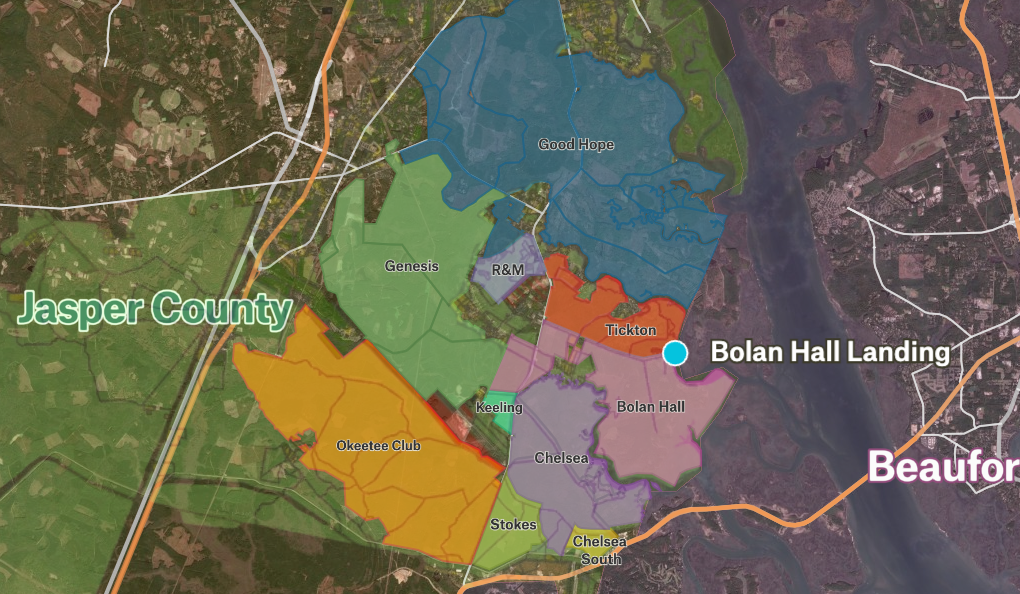
Deep Lowcountry Roots: The Story of Bolan Hall, Chelsea Plantation, and the Phipps Legacy
If you’ve ever driven down the winding, canopy-covered dirt roads of Jasper County, South Carolina, you know that the landscape feels heavy with history.
By Don C. Schueler5 min readEarly Industrial Era · 1700sNovember 7, 2026
Read the story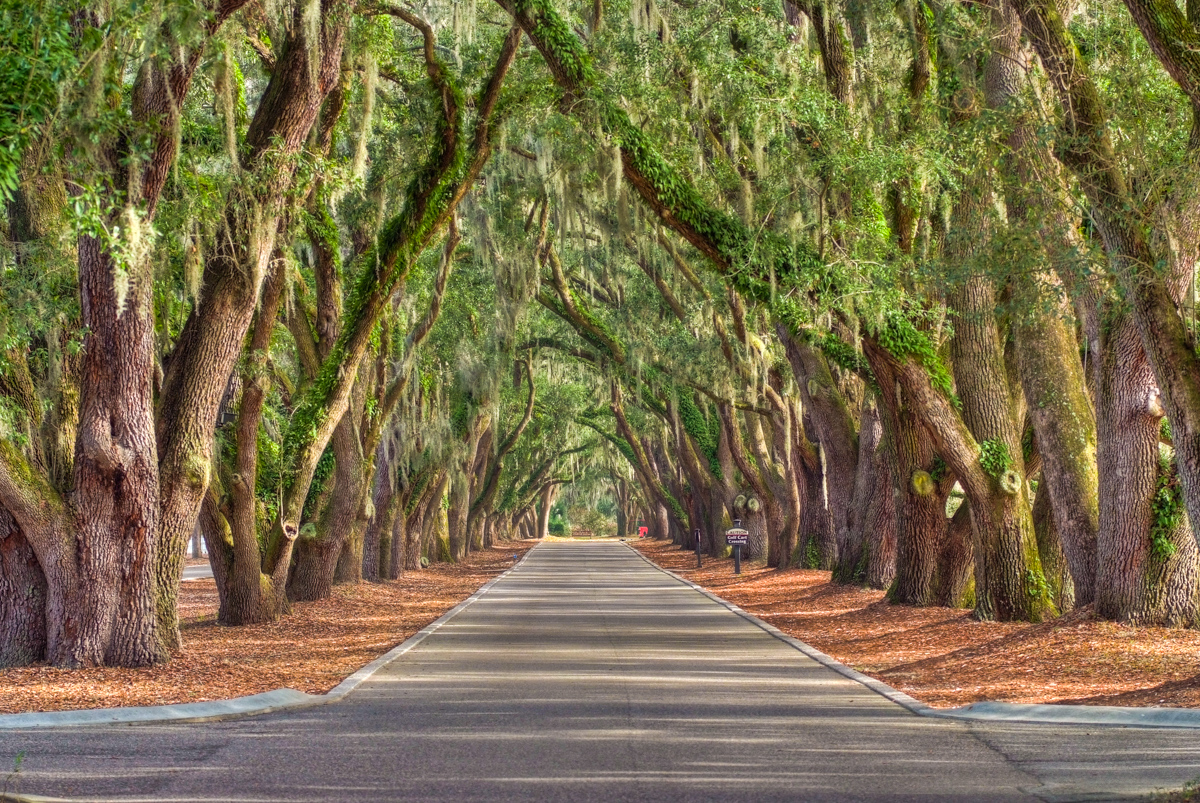
November 7, 2026
Belfair Plantation, Bluffton SC
Belfair Plantation Above is Belfair’s “Avenue of the Oaks” with the oak trees planted in the late 1920s when William Moseley Swain owned Belfair.
By Don C. Schueler13 min readGilded Age · 1860sRead the story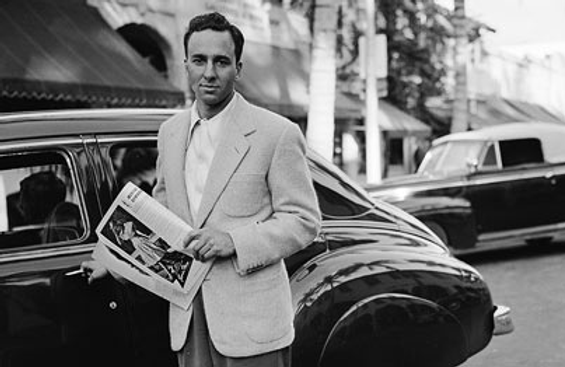
November 7, 2026
George Huntington Hartford II – The Visionary Life and Fall of an Heir
What is interesting about George Huntington Hartford II? The Bluffton SC Connection He is connected to the Souther Gilded Age through his mother from Bluffton SC, Henrietta Pollitzer Hartford.
By Don C. Schueler9 min readInterwar Era · 1920sRead the story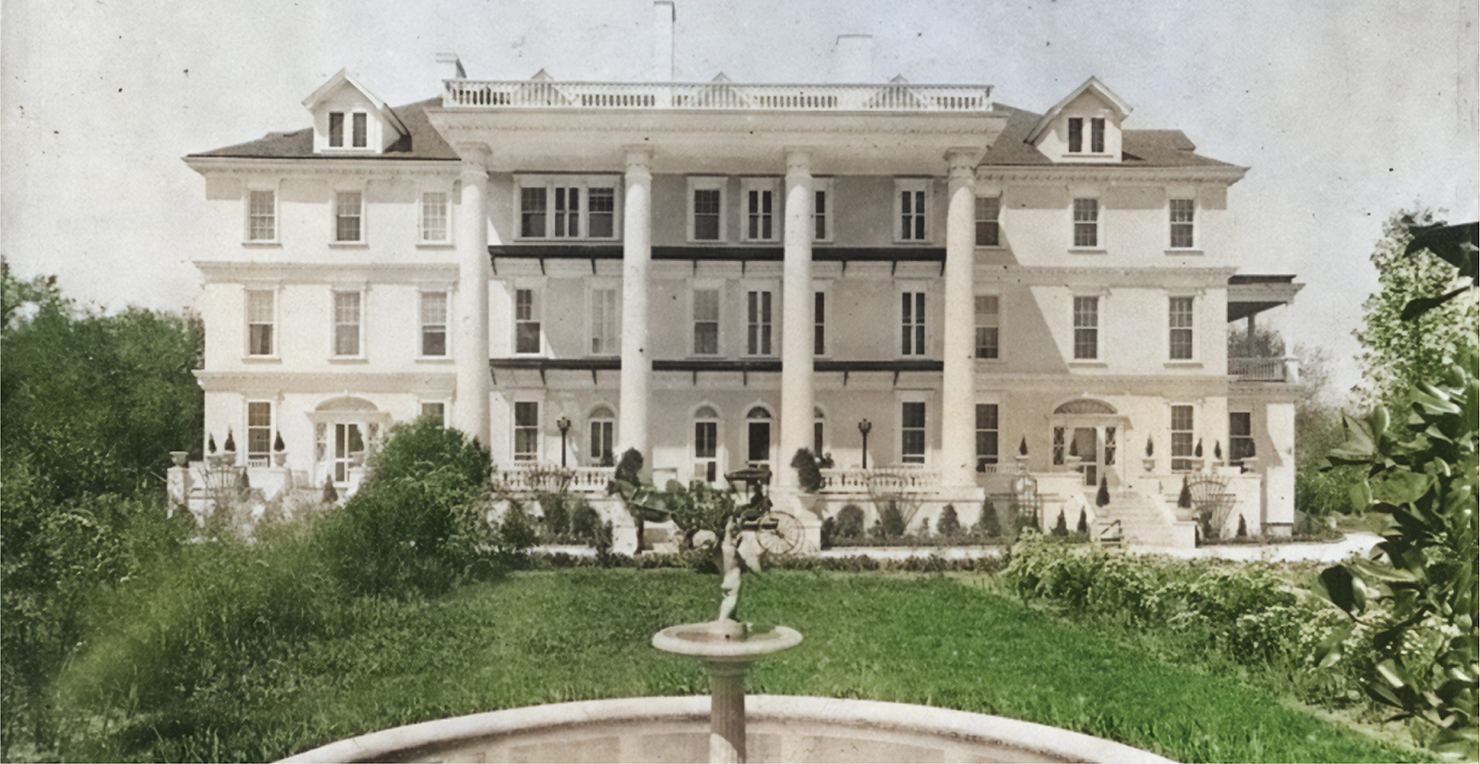
November 7, 2026
Palmetto Bluff – Richard Thornton Wilson Jr. & The “Marrying Wilsons”
Palmetto Bluff and the Marrying Wilsons If you’ve recently been to the Bluffton, SC area, you might know about the Palmetto Bluff Development.
By Don C. Schueler6 min readLate Industrial Era · 1900sRead the story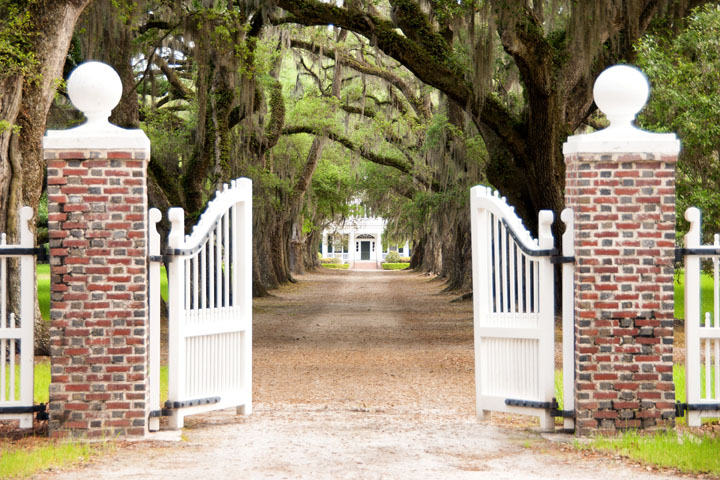
November 7, 2026
Chelsea Plantation – Ridgeland, SC
Chelsea Plantation Okatie SC One of the most beautiful properties in the Lowcountry of South Carolina is in Okatie, SC, between Bluffton, SC, and Beaufort, SC, along the Okatie River.
By Don C. Schueler6 min readInterwar Era · 1930sRead the story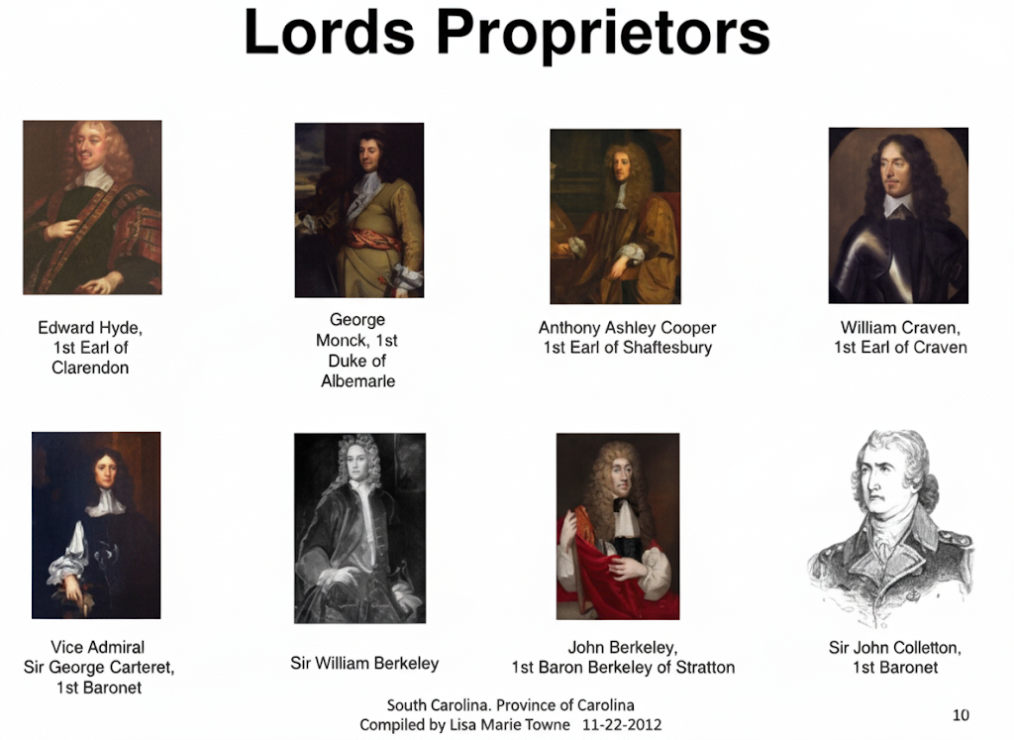
November 7, 2026
The Lords Proprietors of Carolina: A Royal Reward and a Colonial Struggle
The 1600s were a time of fierce European competition for control of North America.
By Don C. Schueler6 min readEarly Industrial Era · 1660sRead the story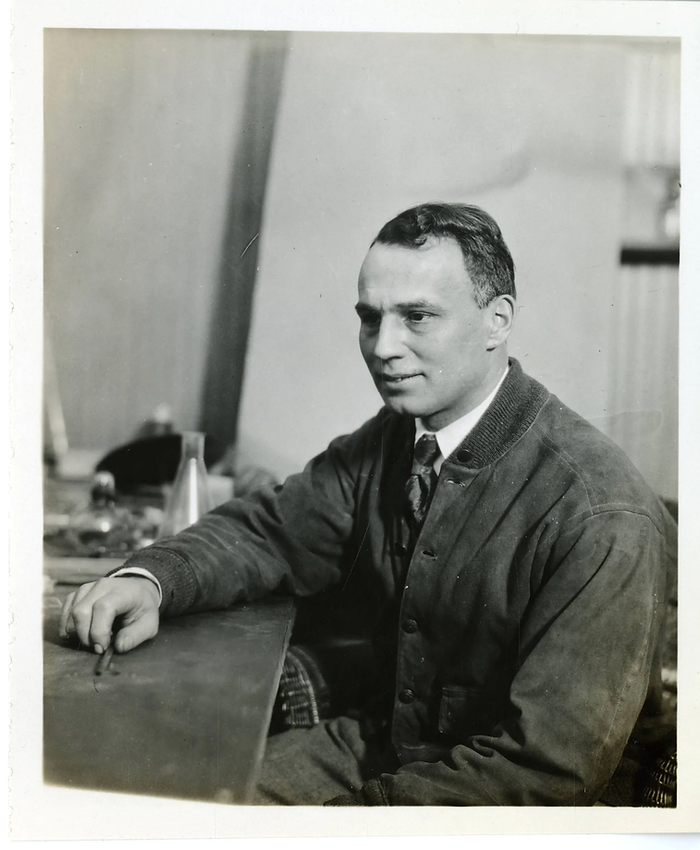
November 7, 2026
Alfred Lee Loomis Wall Street Tycoon, Physicist and Hilton Head Owner
Alfred Lee Loomis Wall Street Tycoon, Physicist and Hilton Head Owner Alfred Lee Loomis and his brother-in-law, Landon K.
By Don C. Schueler4 min readInterwar Era · 1930sRead the story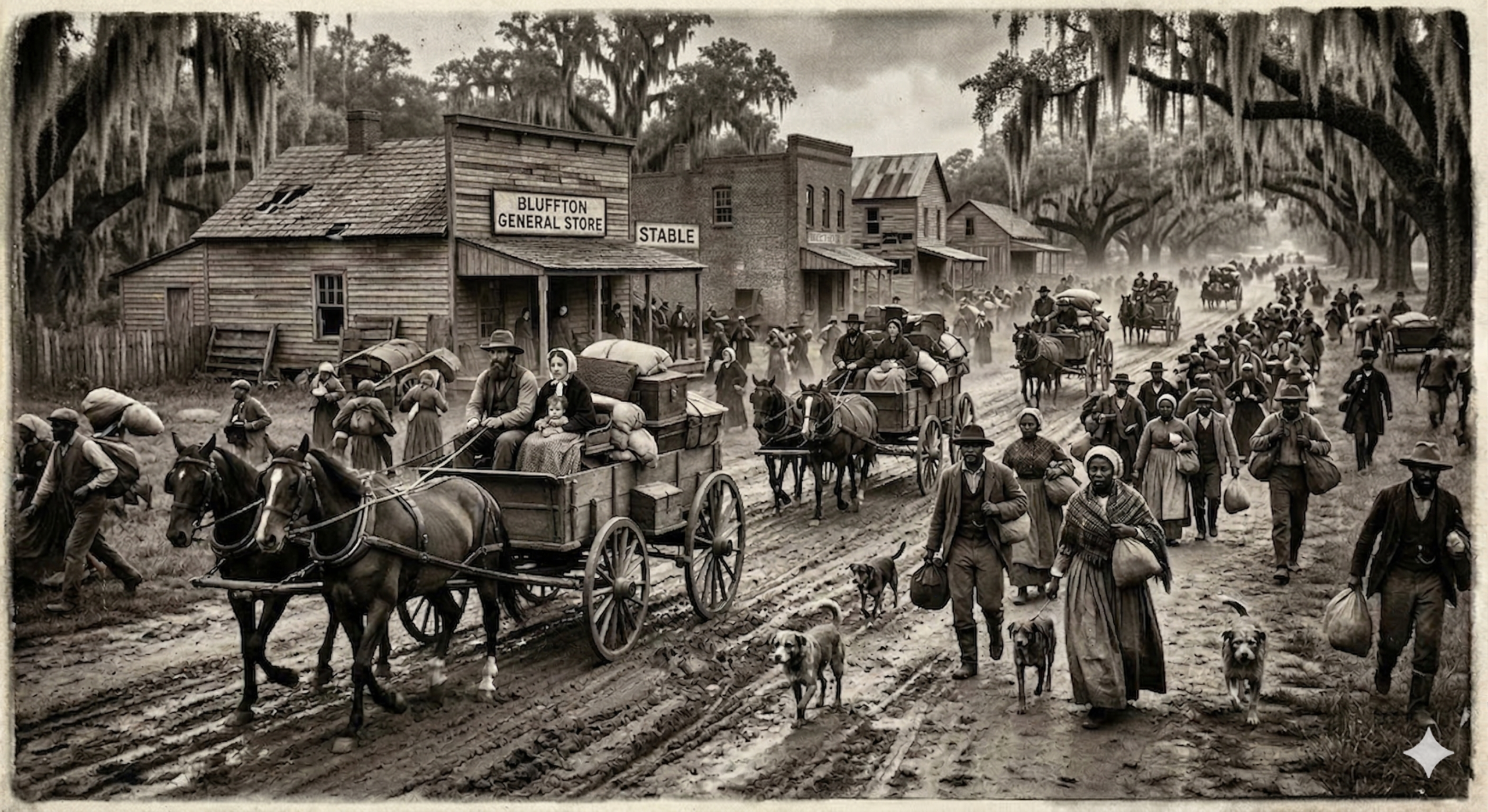
November 7, 2026
The Great Skedaddle of 1861
To understand “The Great Skedaddle” in its entirety, you have to look at it as a tale of two panics: one military and one civilian.
By Don C. Schueler3 min readGilded Age · 1860sRead the story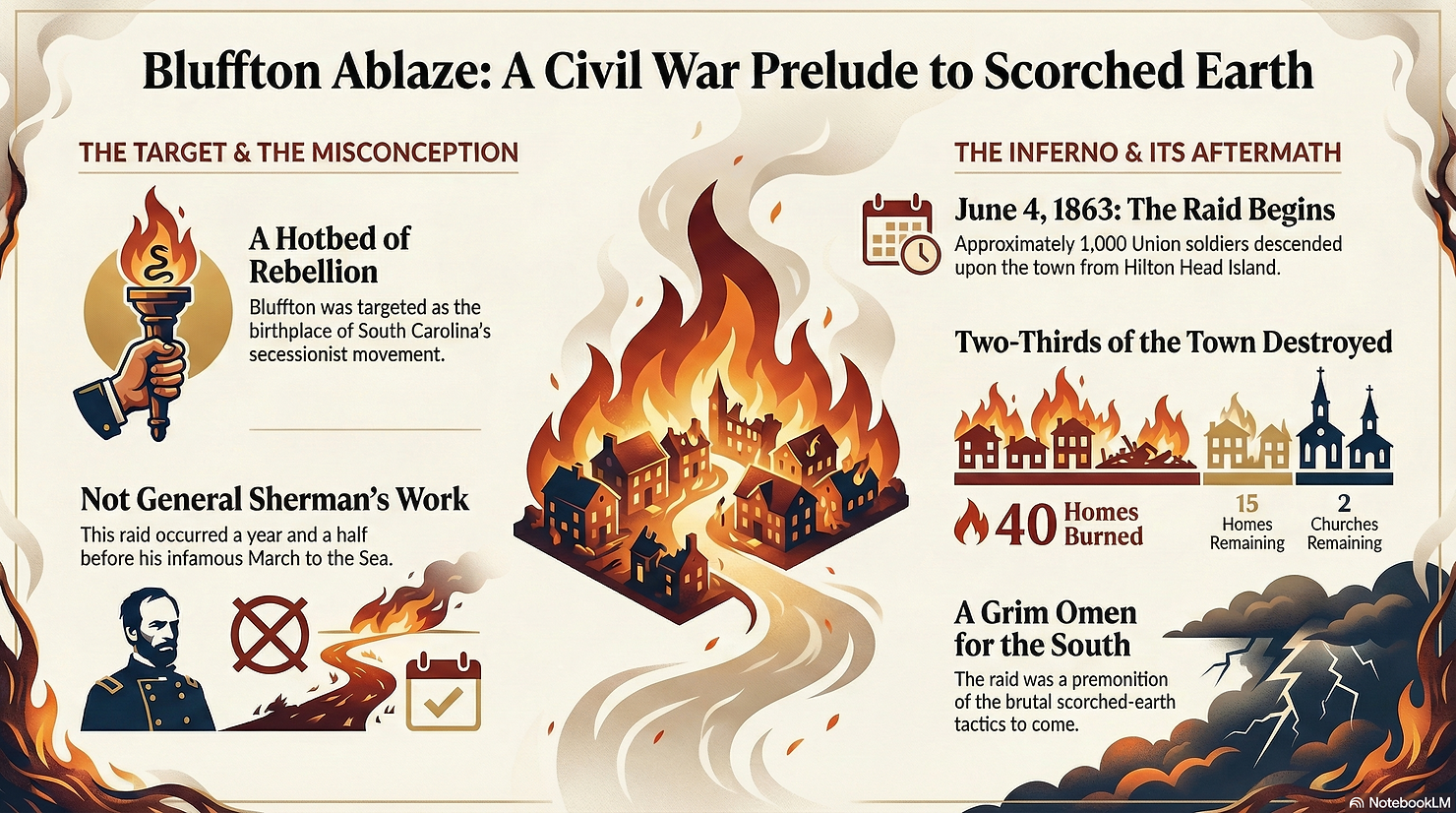
November 7, 2026
Bluffton in Ashes: The Day the Lowcountry Burned
An excellent book by Jeff Fulgham about the Burning of Bluffton. On June 4, 1863, the small southern town of Bluffton, SC, was burned.
By Don C. Schueler4 min readGilded Age · 1860sRead the story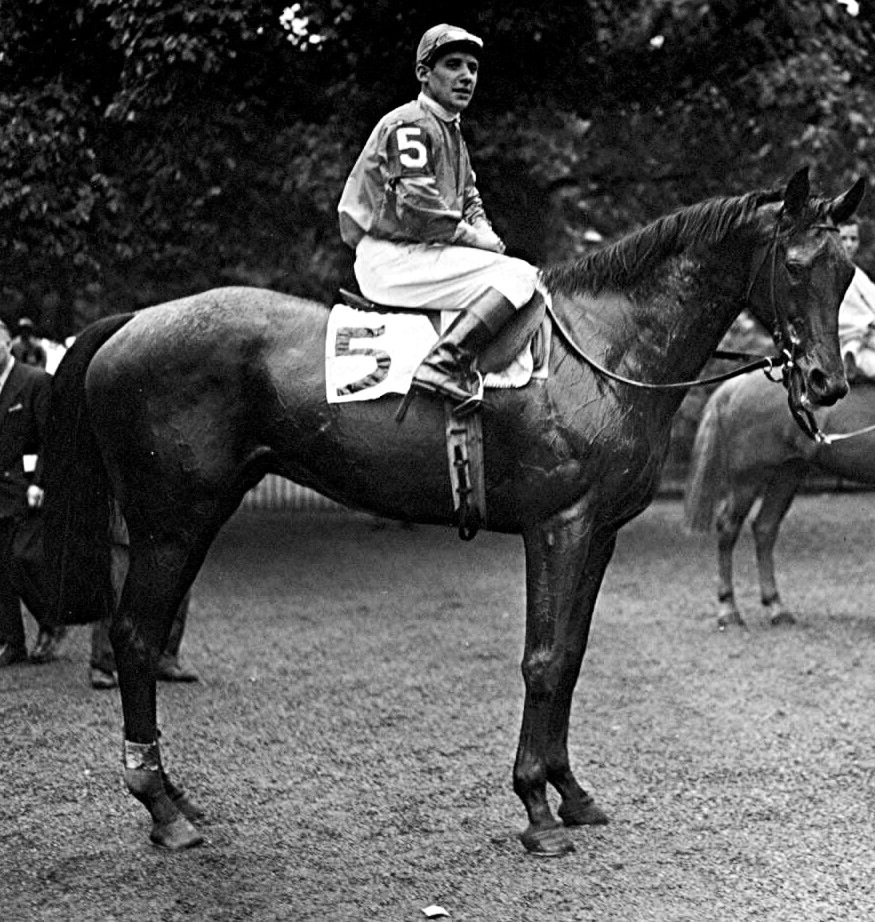
November 7, 2026
Pete Bostwick in the SC Lowcountry
The name Bostwick can be found throughout South Carolina from Aiken to Haig Point near Hilton Head, SC.
By Don C. Schueler4 min readInterwar Era · 1930sRead the story
November 7, 2026
Spring Island
In the tidal waters of South Carolina’s Port Royal Sound lies Spring Island, a place where history is written not in monuments, but in land use, ownership, and restraint.
By Don C. Schueler6 min readGilded Age · 1860sRead the story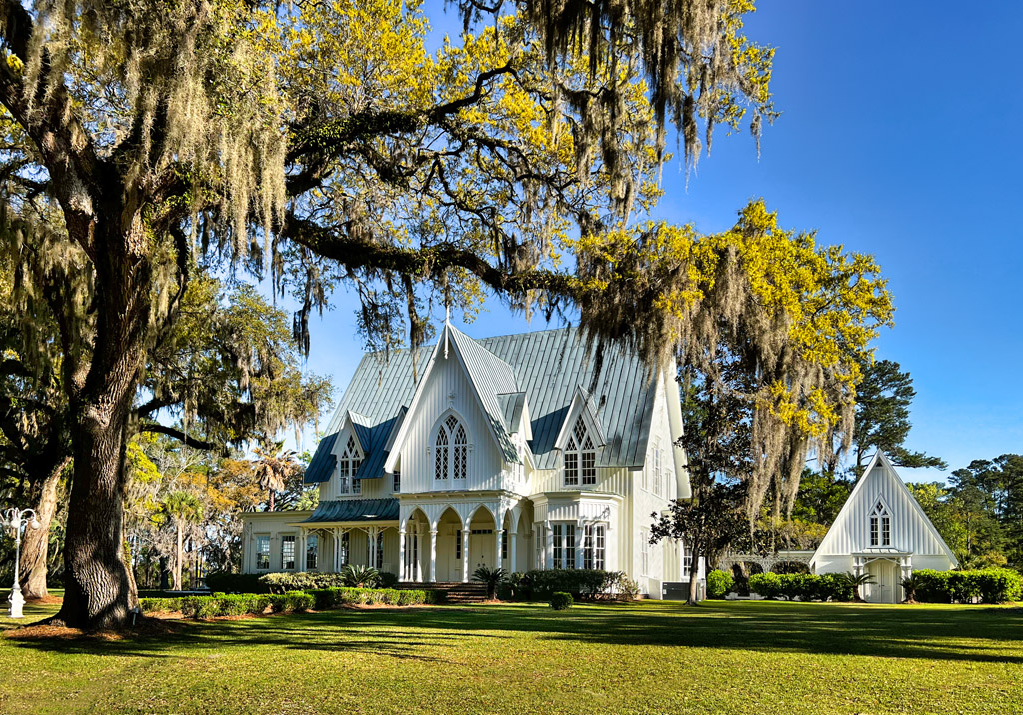
November 7, 2026
Rose Hill Plantation, Bluffton SC
Rose Hill, Bluffton SC Rose Hill Plantation House, also known as Rose Hill Mansion, is a historic Carpenter Gothic house located on US 278 in Bluffton, Beaufort County, South Carolina.
By Don C. Schueler9 min readModern Era · 1980sRead the story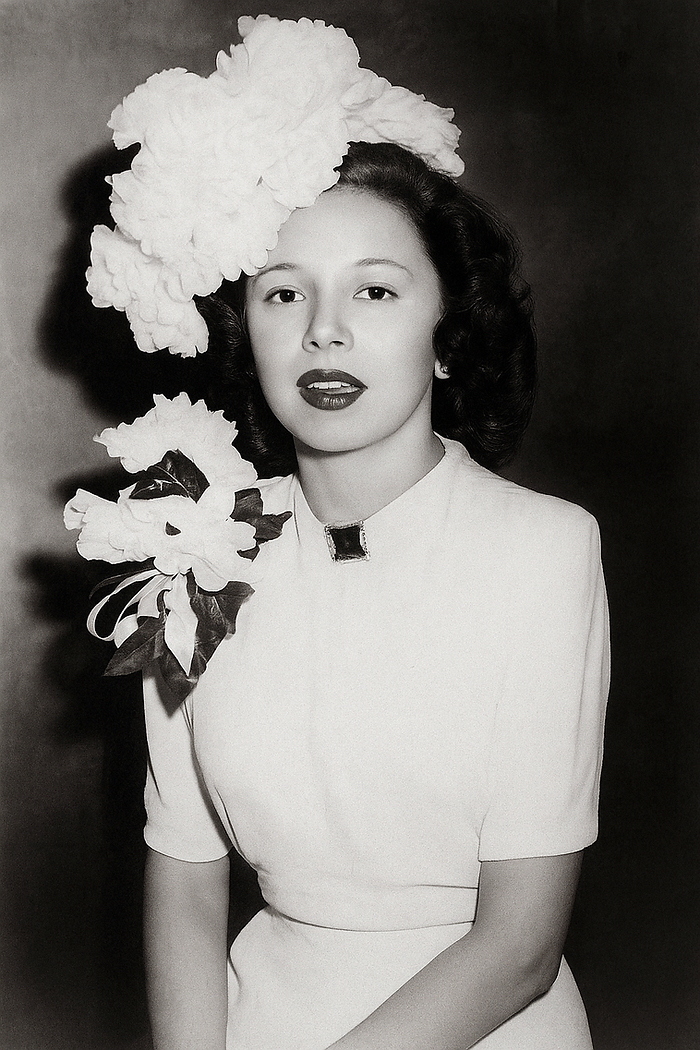
November 7, 2026
Bluffton, SC’s Gilded Age Princess
Special thanks to Sydney Whiteside, Library Assistant, Beaufort District Collection, Beaufort County Library, for her excellent assistance in accessing key resources for this article.
By Don C. Schueler12 min readModern Era · 1940sRead the story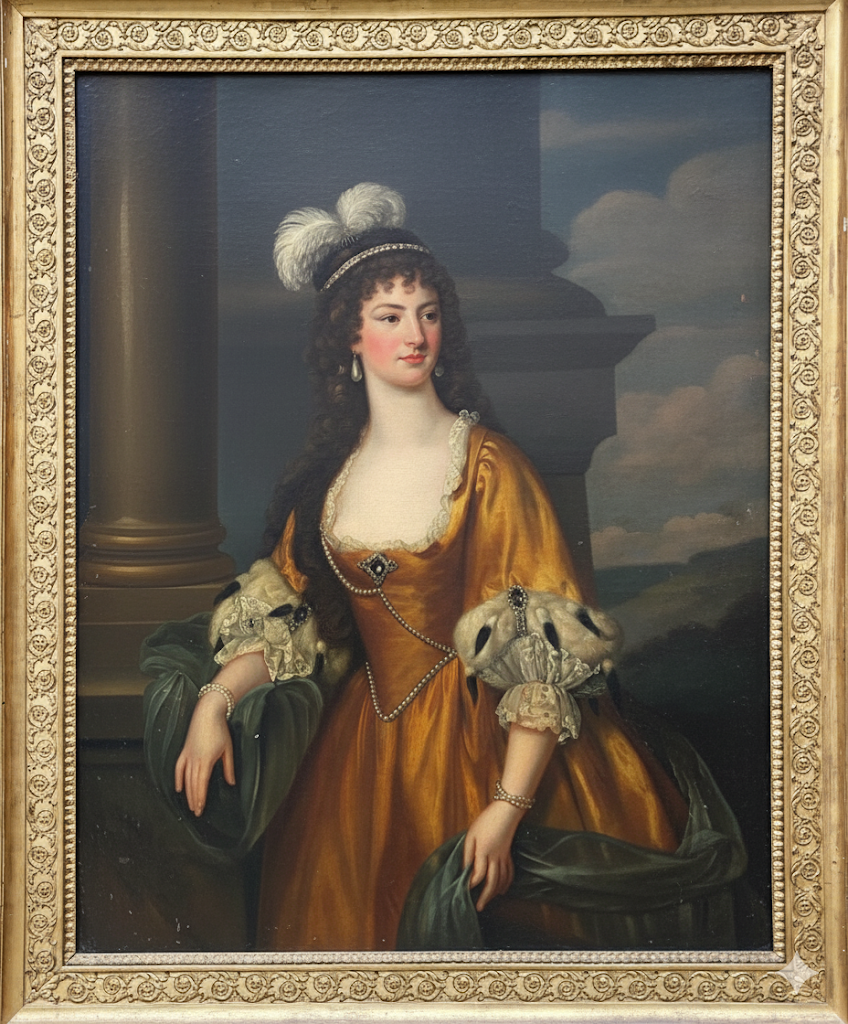
November 7, 2026
Louisa Carolina Colleton (Graves) (1763-1822): a reversal of fortune
Louisa Carolina Colleton (Graves) (1763-1822): a Reversal of Fortune. Try out the podcast above for a great deep dive into Louisa’s history.
By Don C. Schueler8 min readEarly Industrial Era · 1780sRead the story