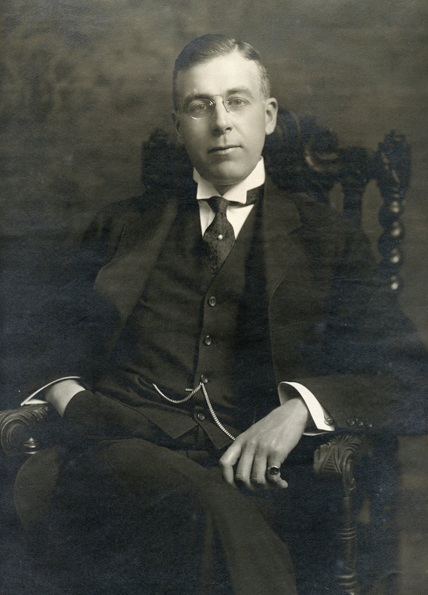
Key figure
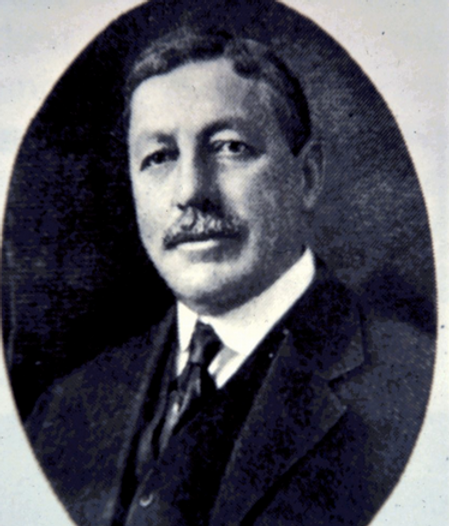
Edward Stephen Harkness
1874-1940
- Born 1874
- Died 1940 · age 66
Second son of Stephen and Anna; guided the Commonwealth Fund's charitable giving.
Second son of Stephen and Anna; guided the Commonwealth Fund's charitable giving.
Philanthropy
Edward Stephen Harkness's giving
Edward Stephen Harkness inherited a fortune built on his father Stephen’s investment in Standard Oil. He came to regard that wealth as a responsibility: he believed it should serve the common good. Reserved and wary of publicity, he often gave anonymously. His wife, Mary, encouraged his interest in art and shared his support for cultural institutions.
Art and health
In 1912, Harkness began giving to the Egyptian collection at the Metropolitan Museum of Art and joined its board of trustees. He and Mary became important supporters of the museum, where he served as chair of the Egyptian Department. Their gifts helped build a collection that endures as part of the museum’s public life.
Harkness also worked with his mother, Anna, who founded the Commonwealth Fund in 1918 with an initial gift of $10 million. Edward served as its first president, guiding its charitable work. The Fund focused on improving health care, while Harkness pursued a major medical project of his own: he helped bring Presbyterian Hospital and Columbia University together to create Columbia-Presbyterian Medical Center. He donated $31 million and 22 acres for its construction and support. The partnership helped establish a model joining patient care, medical teaching, and research.
Education and lasting change
Education became one of Harkness’s central causes. His experience as a student who struggled to speak up in formal classes informed his belief that learning should be more personal and collaborative. He gave to schools and colleges including Yale, Harvard, Columbia, Phillips Exeter Academy, St. Paul’s School, and institutions serving women and African American students. His educational gifts totalled $67 million.
In 1925, he created Commonwealth Fund fellowships that brought graduate students from Britain and its dominions to study in the United States. In 1930, he gave Phillips Exeter $5.8 million after urging its head, Lewis Perry, to devise a far-reaching change in teaching. The resulting small-group, discussion-led approach gave classrooms their famous Harkness tables. Its influence continues at Exeter and beyond.
After Anna’s death in 1926, Harkness also established the Pilgrim Trust in Britain. He gave it £2 million to support the restoration of historic monuments damaged in the First World War; the trust later broadened its work to social welfare. By the time he died in 1940, Harkness had given more than $129 million. His legacy lies not only in buildings and collections, but in institutions reshaped by his conviction that thoughtful giving could improve health, education, and public life.
Sources: centennial.commonwealthfund.org, philanthropyroundtable.org, exeter.edu
Across the archive
Stories featuring Edward Stephen Harkness
Historical article
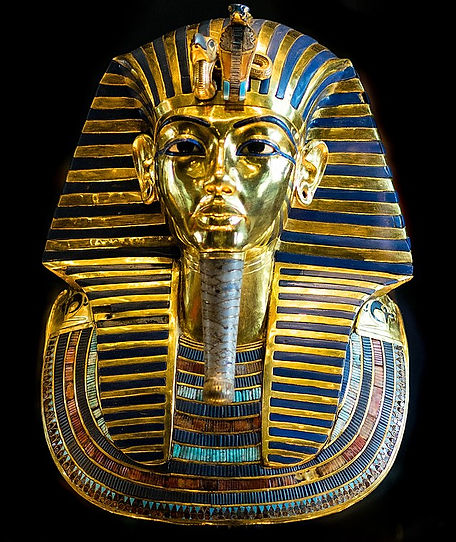
Edward Harkness first to meet King Tut
Ned Harkness was a patron of the Department of Egyptian Art at the Metropolitan Museum of Art in New York after J.
Historical article
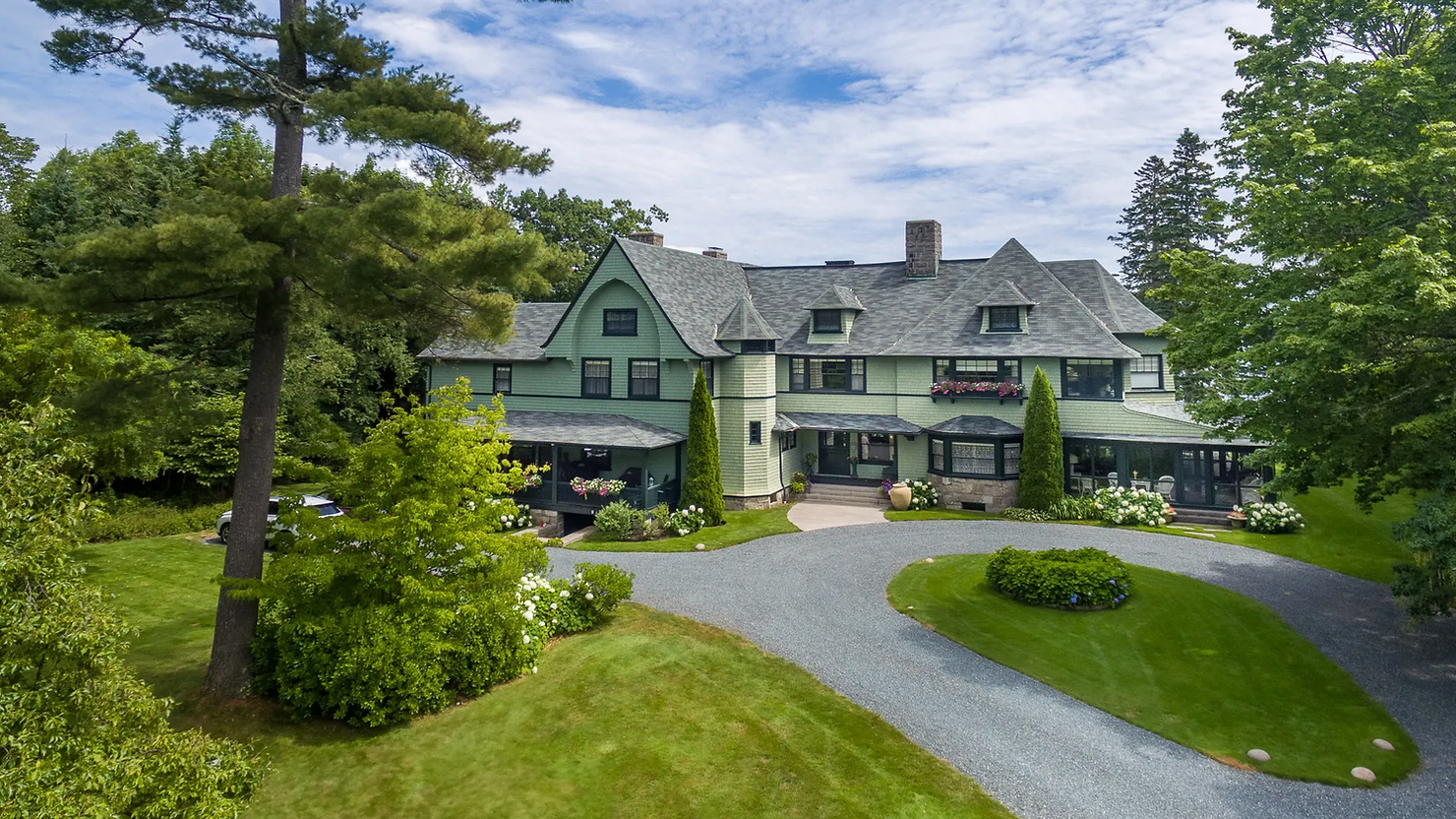
The Harkness Family in Bar Harbor: A Chronicle of a Gilded Age Presence, 1891-1925
The Harkness Family in Bar Harbor: A Chronicle of a Gilded Age Presence, 1891-1925. A Standard Oil Fortune Summers in Maine. As principals in the formidable Standard Oil trust, the Harkness family occupied a rarified position within America’s Gilded Age aristocracy.
Historical article
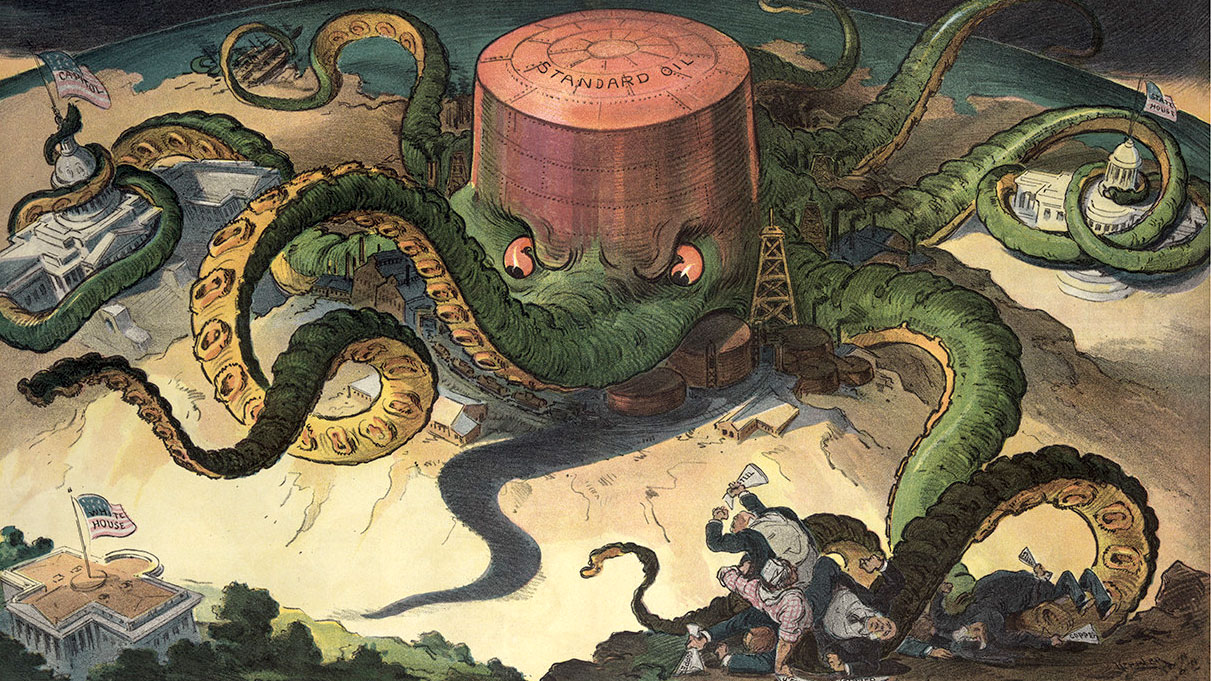
Robber Baron – Yes or No?
Did the Gilded Age have robber barons? Certainly, much like the current era.
Historical article
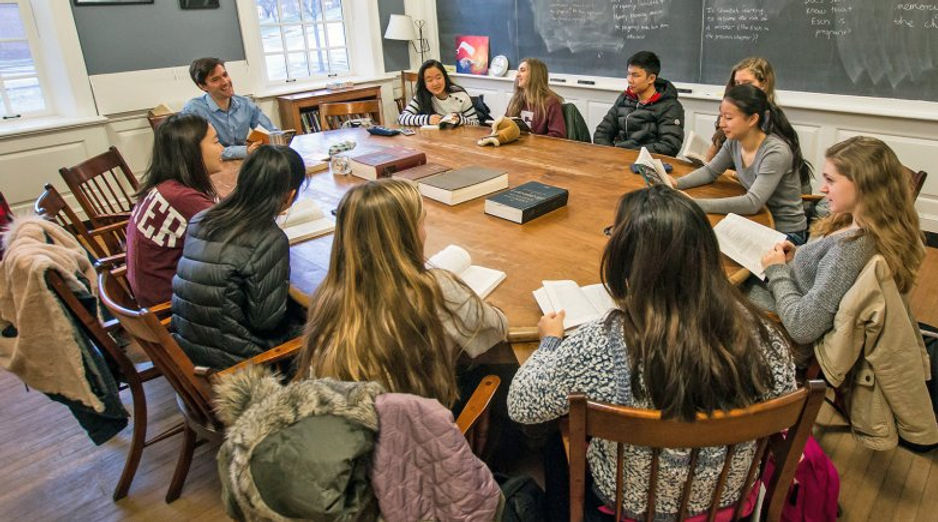
What’s a “Harkness Table”?
The Harkness table, Harkness method, or Harkness discussion is a teaching and learning method championed by Edward S. Harkness, involving students seated in a large, oval configuration to discuss ideas in an encouraging, open-minded environment with only occasional or minimal teacher intervention.
Historical article
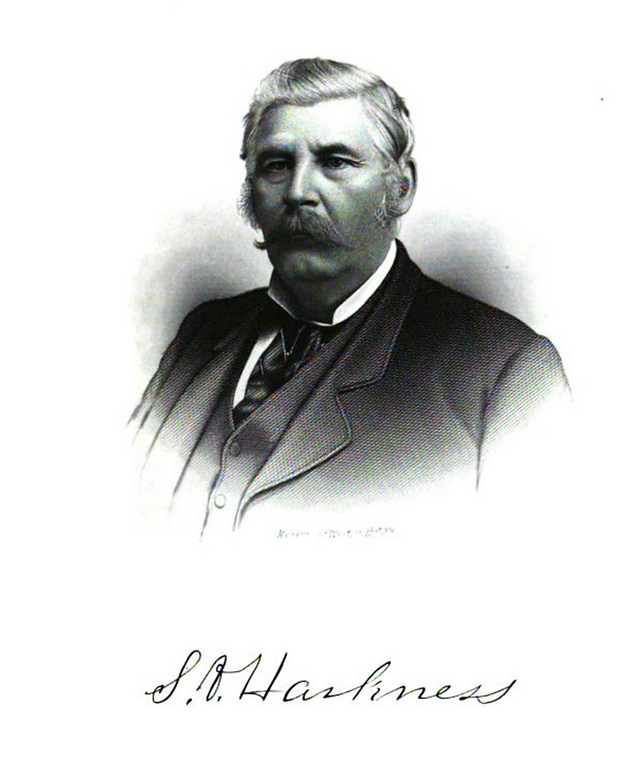
Stephen V. Harkness – Standard Oil Venture Capitalist
Stephen Vanderburgh Harkness (1818-1888) was an Ohio-based American businessman. He played a crucial role in the establishment of Standard Oil, serving as a “Venture Capitalist” alongside John D.
Historical article
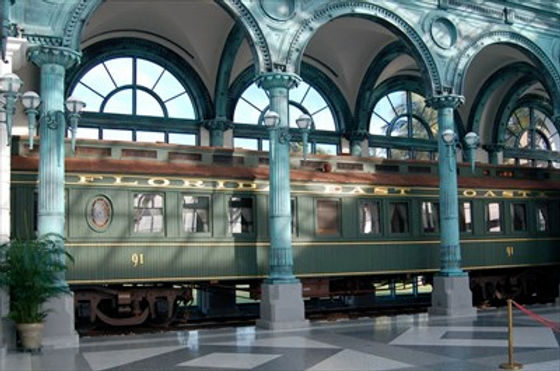
Railcars #90 and #91 – Henry Flagler’s “Jets”
As one might expect since he was building railroads, Henry Flagler had his own private railcars.
Historical article
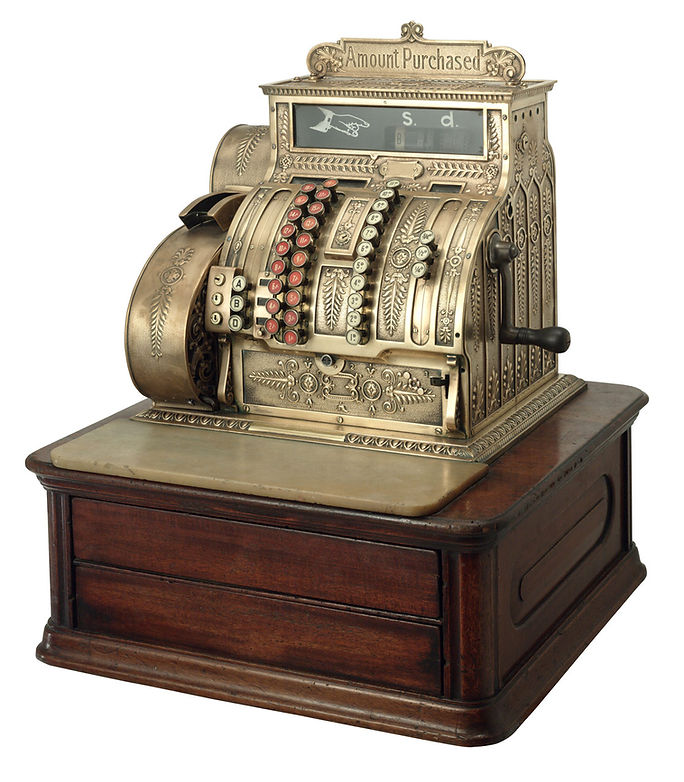
Where did all the money go?
The Standard Oil fortune was a tidal wave of cash that either built the foundations of modern America or dissolved into a haze of eccentric scandals, proving that inheriting a billion dollars is often the quickest way to lose your mind.
Historical article
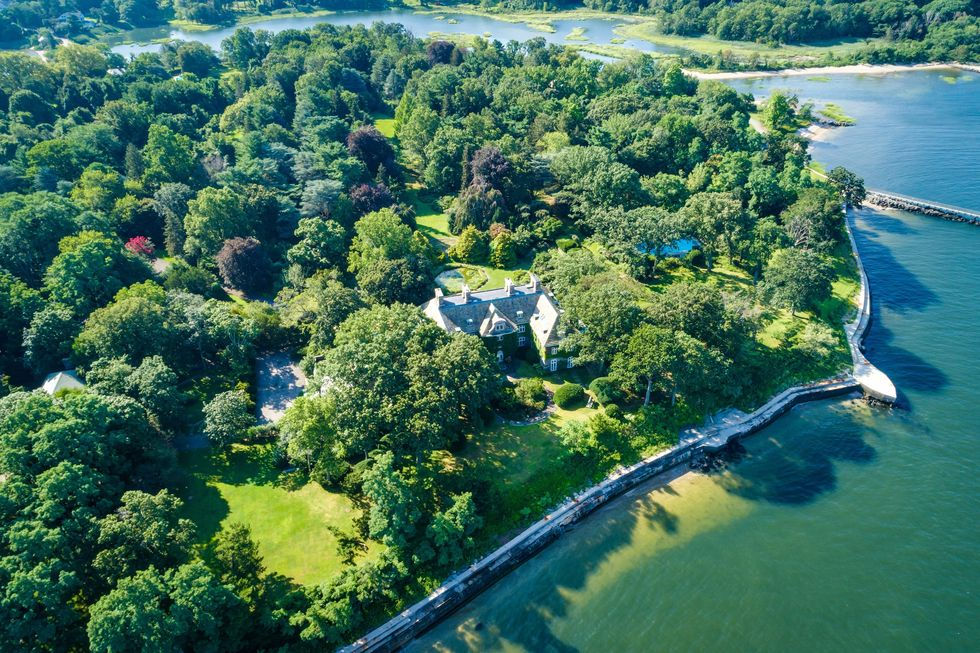
The Gold Coast of Long Island and Harkness
The Harkness family has some understated connections to the famous Gold Coast of Long Island, NY.
Historical article
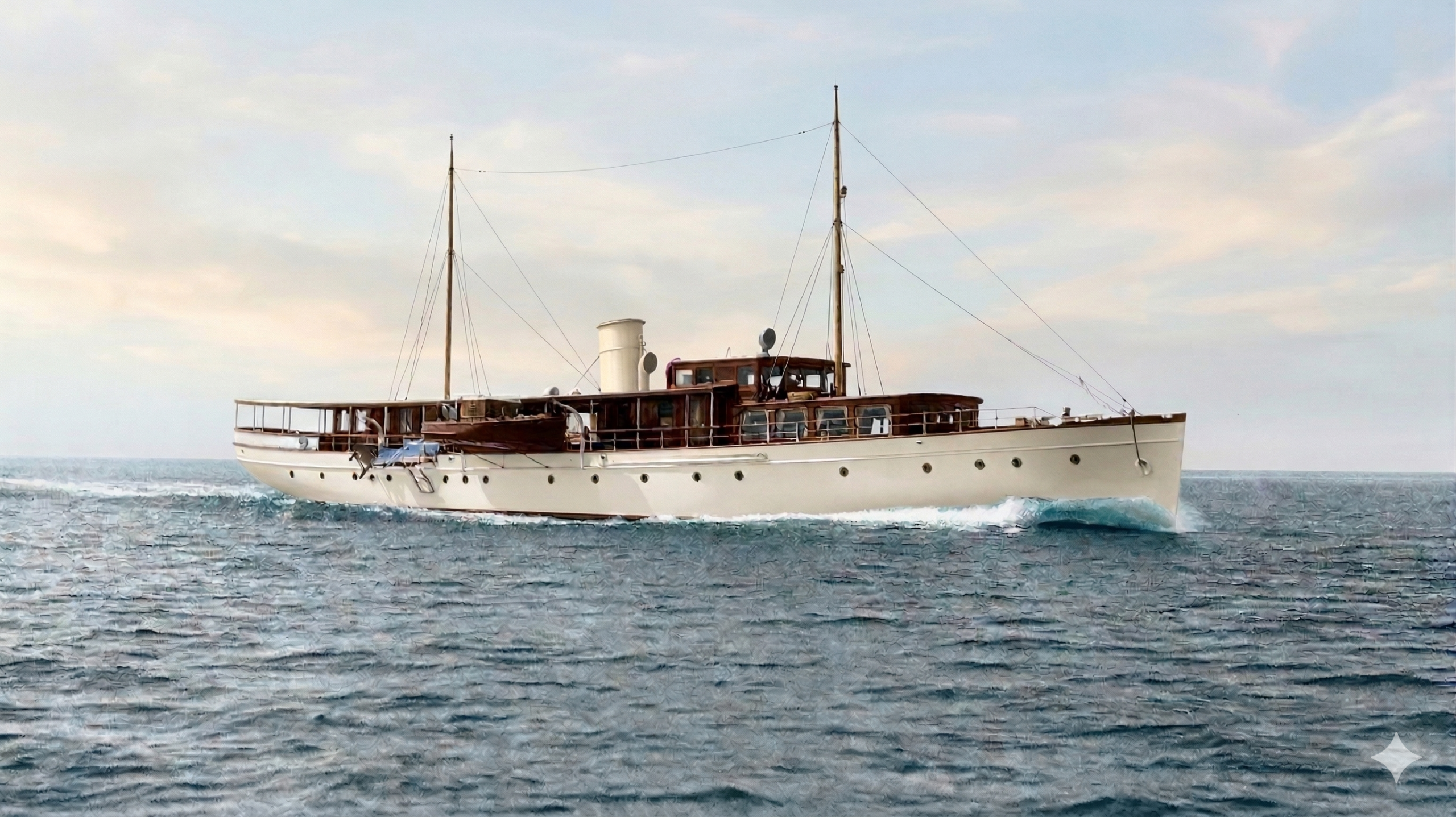
Stevana – Ned and Mary’s yacht
Edward and Mary Harkness used their steam yacht, Stevana (named after his parents Stephen and Anna) to commute back and forth between New York and Eolia and they also often traveled to Fishers Island and sometimes up the coast up to Maine.
Historical article
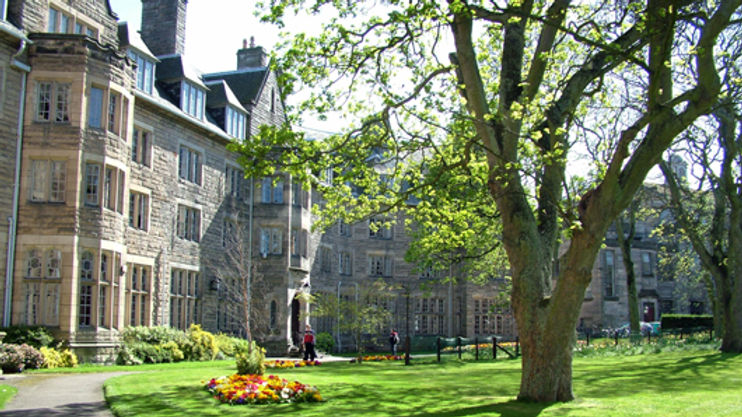
St. Andrews, Scotland and Pilgrim Trust – Edward Harkness
One of my favorite places on this earth is Scotland – more specifically, St. Andrews, Scotland.
Historical article
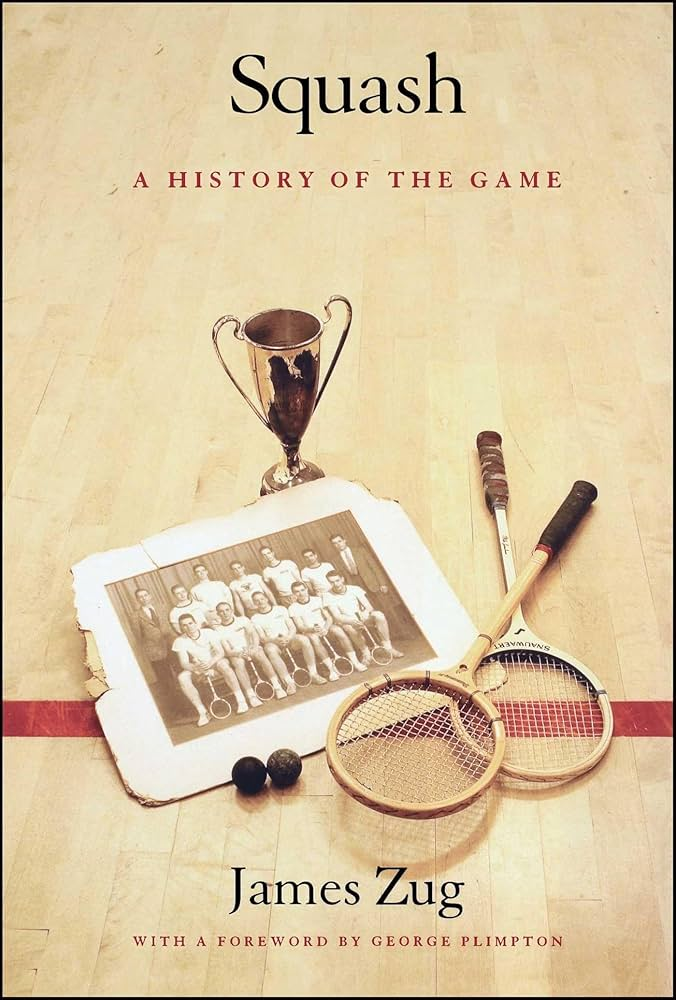
Squash and Harkness
The Fast-Paced World of Squash: A Racquet Sport with Rich Origins and Harkness Connections Squash is a dynamic and fast-paced racquet sport with a fascinating history that stretches back to the early 19th century.
Historical article
William Lamon Harkness
Detailed Life Events Born August 8, 1858, in Bellevue, Ohio Died May 10, 1919 (aged 60) New Hyde Park, New York Resting place Woodlawn Cemetery Education Yale University (Class of 1881) Spouse Edith Hale Children Louise Hale Harkness (1898-1978), William Hale Harkness (1900–1954) Parent(s) Daniel M.