
Historical article
Robber Baron – Yes or No?
Did the Gilded Age have robber barons? Certainly, much like the current era.
Were Gilded Age industrial titans "robber barons"? In short: often "yes", but they were also the foundational builders of modern America.
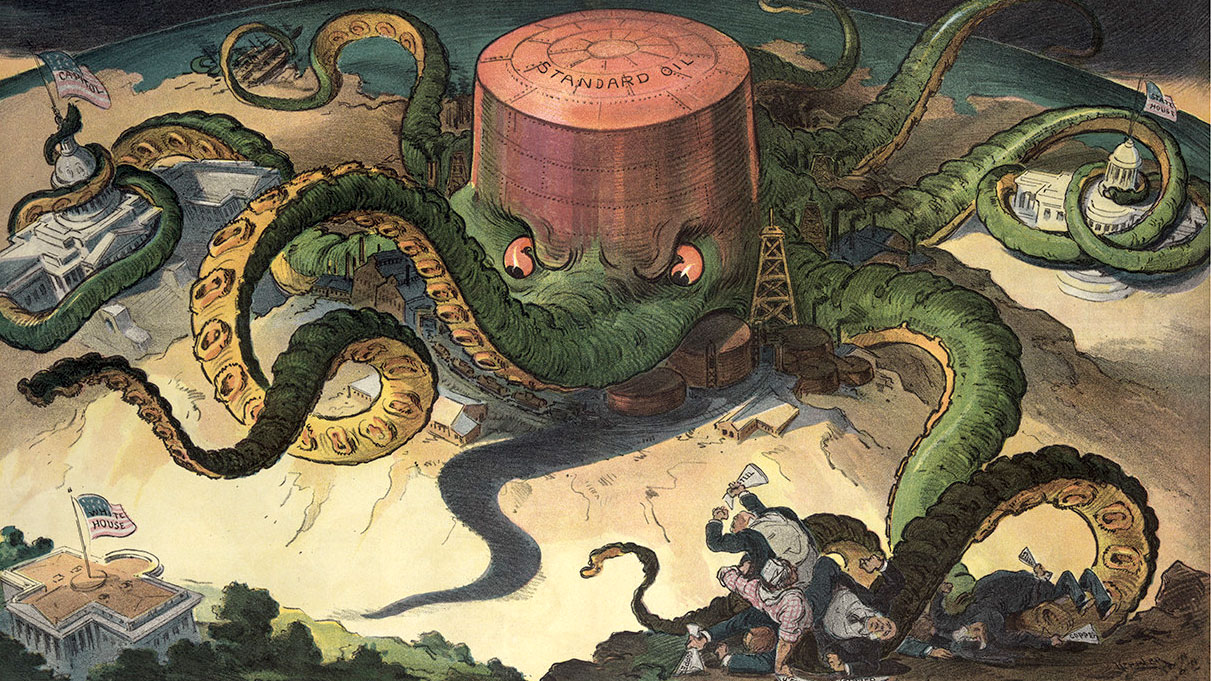
The term robber baron gained traction in the late 19th century to describe tycoons like John D. Rockefeller, Cornelius Vanderbilt, and J.P. Morgan. Critics pointed to predatory monopolies, suppressed wages, and outsized political sway—concerns echoed today regarding tech giants, energy conglomerates, and Wall Street leaders.
Yet reducing these figures to villainy misses half the story. While their methods were often ruthless, their drive for efficiency built America's industrial backbone, lowered everyday consumer costs, and redirected immense fortunes into institutions that still anchor society today.
This article from https://www.city-journal.org/ offers a compelling alternative to the prevailing view of Gilded Age robber barons.
The Robber Barons Bum Rap
Historian Maury Klein argues that 19th-century industrial titans like Cornelius Vanderbilt, Jay Gould, John D. Rockefeller, and J.P. Morgan were not merely corrupt predators, but visionary organizers who built the infrastructure of modern American capitalism. While acknowledging their cutthroat tactics, Klein contends that their relentless drive for efficiency revolutionized transport, communication, and industry, steadily lowered prices for consumers, turned New York City into the world's economic and cultural capital, and established the institutional foundations of the modern economy.
Many of the philanthropic efforts of some of these "robber barons" from the late 1800s and early 1900s are still serving the greater public today.
The Standard Oil Trio: Foundational Philanthropy
1. John D. Rockefeller (1839–1937)
HBCU Groundwork: Rescued the Atlanta Baptist Female Seminary in 1884; renamed Spelman College for his wife Laura Spelman and her abolitionist family. Financed Spelman's landmark Rockefeller Hall (1886) and major expansions at Morehouse College.
General Education Board (GEB): Endowed with over $180 million; served as the largest private benefactor of Southern Black education, underwriting operations and teacher training at Tuskegee, Hampton, and Fisk.
Scientific Medicine: Founded the Rockefeller Institute for Medical Research (now Rockefeller University); eliminated hookworm across the American South and developed the yellow fever vaccine.
Higher Education: Donated over $80 million to establish the University of Chicago as an elite research center.
2. The Harkness Family (Generational Benefactors)
Stephen V. Harkness (1818–1888):
Early silent partner who provided essential seed capital to Rockefeller and Flagler to establish Standard Oil.
Anna M. Harkness (Stephen's Wife, 1837–1926):
The Commonwealth Fund (1918): Established the foundation with an initial $10 million gift (eventually exceeding $38 million) dedicated to "do something for the welfare of mankind," revolutionizing public health systems, child welfare, and medical research.

The Commonwealth Fund
We are a foundation dedicated to - Affordable, quality health care. For everyone.
Higher Education & Civic Gifts: Donated Yale’s iconic Memorial Quadrangle and Harkness Tower in memory of her son Charles, and provided major gifts to Presbyterian Hospital and the New York Public Library.
Edward S. Harkness (Son, 1874–1940):
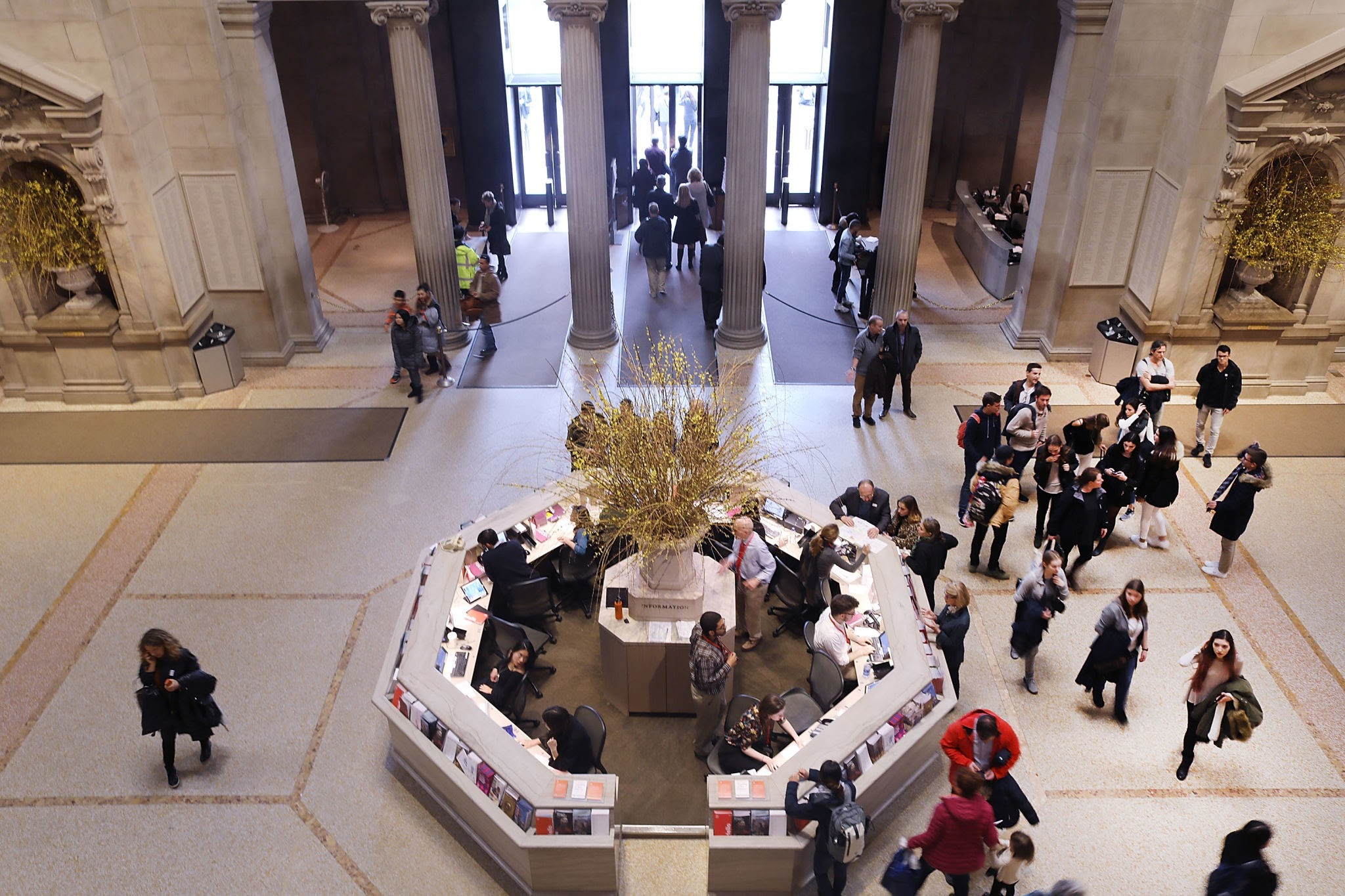
Metropolitan Museum of Art (The Met / MMA): Served 28 years on the Board of Trustees (1912–1940) and transformed multiple departments:
Tomb of Perneb (1913): Purchased and transported the complete 5th Dynasty Old Kingdom limestone mastaba tomb from Saqqara, Egypt, to The Met, where visitors can still walk through its offering chambers today.
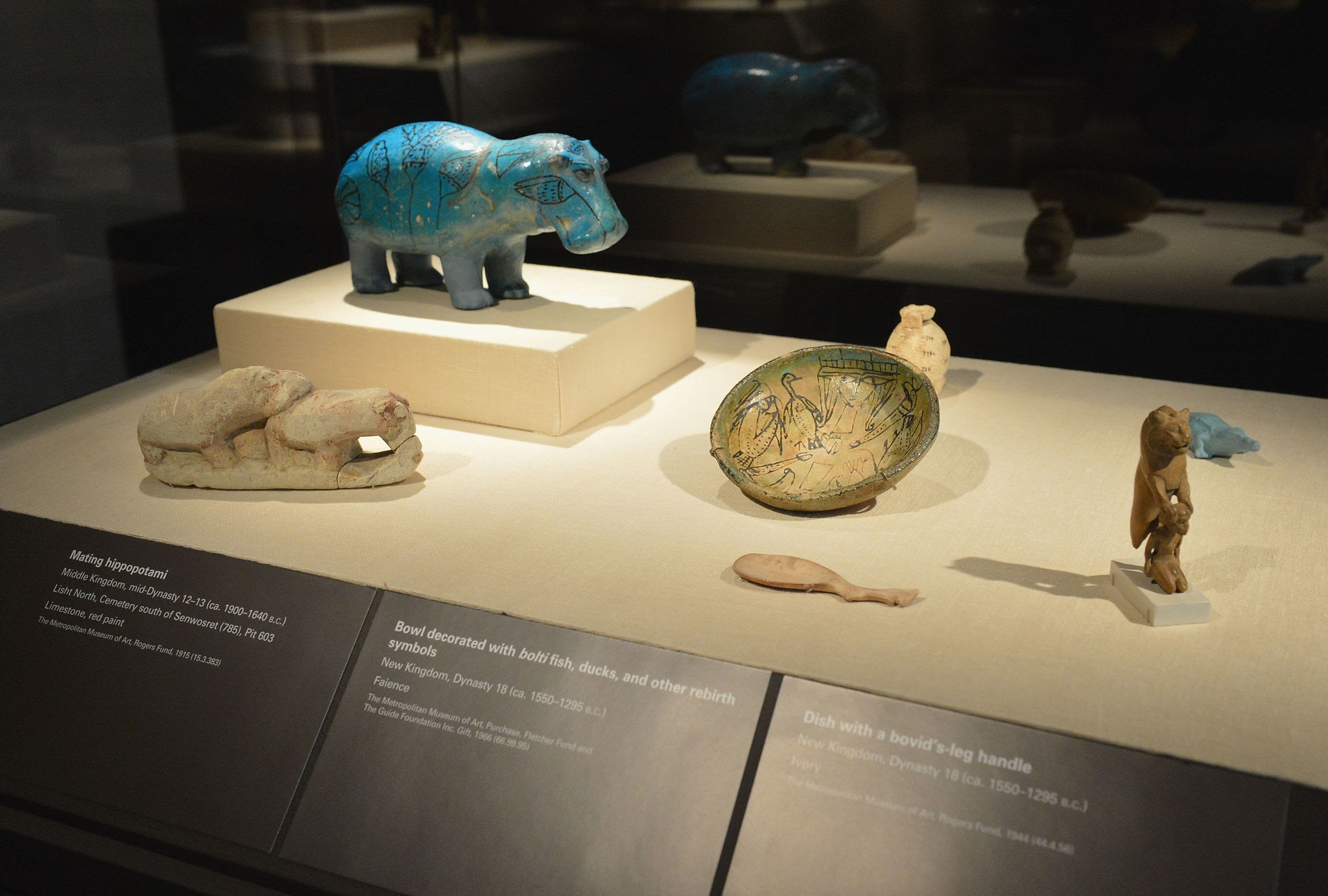
"William" the Hippo (1917): Donated the beloved Egyptian faience hippopotamus statuette, which became the museum's unofficial mascot.
Carnarvon Collection: Contributed over $200,000 to acquire the antiquities collection of Lord Carnarvon (co-discoverer of King Tut’s tomb). Harkness was even invited by Howard Carter to witness the opening of King Tutankhamun's sarcophagus in 1924.
Arms & Armor: Provided $100,000 in 1929 to purchase curator Bashford Dean's collection, keeping the core European armor holdings unified at The Met.
Great Hall Concerts: Underwrote the first public symphony concerts in The Met’s Great Hall in 1918 under David Mannes.
Columbia-Presbyterian Medical Center: Around 1920, Edward Harkness joined the hospital board and donated prime Washington Heights land to unite medical education with patient care, creating the world’s first integrated academic medical center. Designed by James Gamble Rogers and opened in 1928—complete with the Harkness Pavilion and Squier Urology Clinic—the complex thrives today as Columbia University Irving Medical Center. The medical center has grown significantly and attracted donations from many other donors.
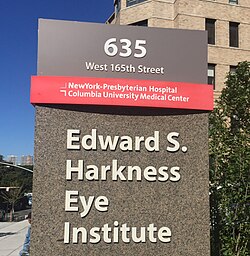
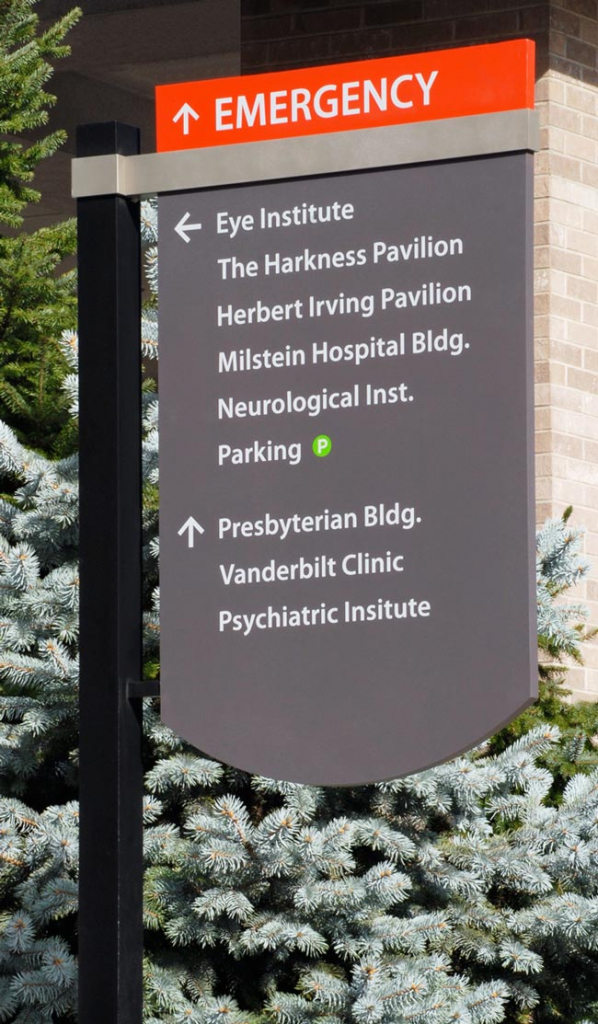
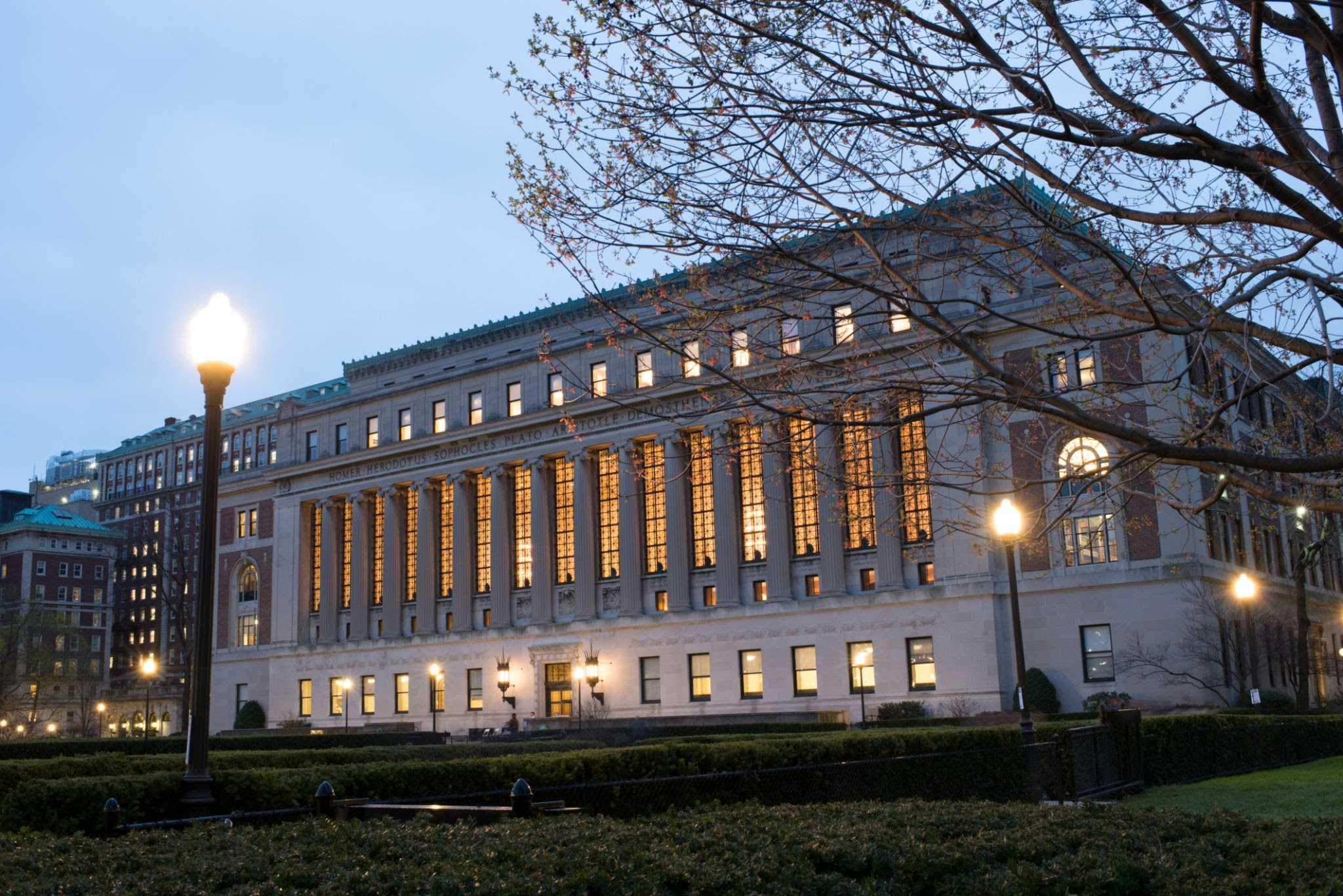
Columbia University: Donated over $4 million to build Columbia's central research library, South Hall (dedicated 1934, now Butler Library).
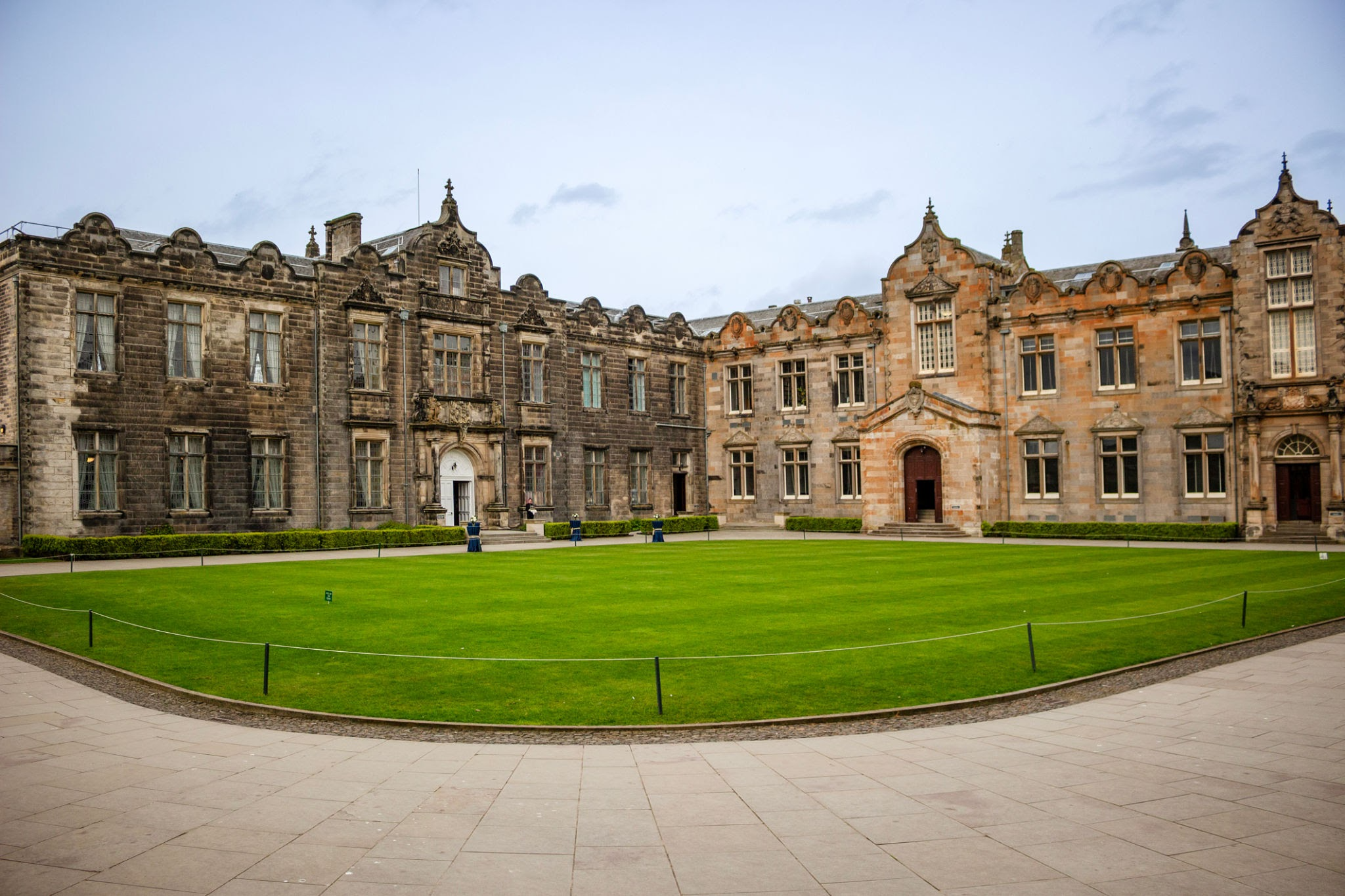
University of St Andrews (Scotland): Endowed the restoration of St Salvator's Chapel and built St Salvator's Hall (1930), the ancient university's first purpose-built modern residential hall.
The Pilgrim Trust (1930): Endowed a £2,000,000 trust ($10M at the time) to assist Britain during the Great Depression, preserving historic cathedrals, architectural heritage, and national archives.
Residential Systems: Financed the complete residential college networks at Harvard (7 houses) and Yale (8 colleges), as well as the discussion-based "Harkness Table" method at Phillips Exeter Academy.
Mary Stillman Harkness (Edward's Wife, 1874–1952):
The Harkness Gift / Harkness Collection (The Met): Continued their shared patronage and bequeathed major European masterpieces (works by Gerard David, Rembrandt, Piero di Cosimo, and Thomas Lawrence’s Elizabeth Farren), Egyptian artifacts, and rare lace. The museum mounted the landmark retrospective exhibition "The Harkness Collection" (1951–1952) in their honor.
Campus Architecture: Trustee and patron of Connecticut College, funding Mary Harkness House (residence hall) and endowing fine-arts campus collections.
HBCU Support: Personally directed substantial philanthropic funding to Hampton Institute and Tuskegee.
Healthcare: Established the Mary Harkness Convalescent Home at Columbia-Presbyterian.
3. Henry M. Flagler (1830–1913)
Florida East Coast Railway (FEC): Poured Standard Oil wealth into laying tracks down the length of Florida, carving cities like West Palm Beach and Miami out of wilderness.
The "Overseas Railroad": Built the 128-mile engineering marvel over open water to Key West, dubbed the "Eighth Wonder of the World."
Civic Infrastructure: Privately financed municipal waterworks, schools, hospitals, and churches (such as Memorial Presbyterian in St. Augustine) across the state.
Iconic Architecture: Commissioned the Ponce de Leon Hotel (now Flagler College) and The Breakers, establishing Florida’s resort economy despite steep personal financial losses: "If it wasn’t for Florida, I would have been a wealthy man!"
Other Notable Titans: Summary of Philanthropic Actions
Andrew Carnegie (Steel):
Built 2,509 public libraries globally to ensure free public access to books and self-education.
Partnered with Booker T. Washington to heavily endow Tuskegee Institute and Hampton.
Founded Carnegie Mellon University, Carnegie Hall, and the Carnegie Corporation, divesting himself of 90%+ of his fortune ($350+ million).
Julius Rosenwald (Sears, Roebuck & Co.):
Created the Rosenwald Fund, collaborating with Booker T. Washington to build over 5,300 "Rosenwald Schools" for rural Black children across the segregated South.
Endowed early African American YMCAs and funded operational expansions at Fisk, Dillard, and Howard Universities.
Cornelius Vanderbilt (Railroads & Shipping):
Donated a $1 million founding grant in 1873 to establish Vanderbilt University in Nashville, explicitly intending to rebuild Southern higher education and heal Civil War wounds.
J. Pierpont Morgan (Finance):
Amassed and donated world-class art and rare manuscript collections to establish The Morgan Library & Museum and expand the Metropolitan Museum of Art.
Funded the construction of the Cathedral of St. John the Divine and built modern maternity facilities for New York's Lying-In Hospital.
Leland Stanford (Railroads):
Channeled Central Pacific Railroad gains into founding Leland Stanford Junior University (1885) in memory of his deceased son.
Mandated that the institution be coeducational, nondenominational, and initially tuition-free to provide broad public access.
The Top 5 Philanthropic Benefactors
Andrew Carnegie (Carnegie Steel)
Scale: ~$350 million distributed (~90% of his total net worth).
Focus & Legacy: Author of The Gospel of Wealth; funded over 2,500 public libraries worldwide, founded Carnegie Mellon University, built Carnegie Hall, and established the Carnegie Endowment for International Peace.
John D. Rockefeller (Standard Oil)
Scale: ~$540 million in lifetime distributions.
Focus & Legacy: Pioneered data-driven, strategic institutional giving. Founded the University of Chicago, established the Rockefeller Institute for Medical Research (now Rockefeller University), and created the Rockefeller Foundation to target the systemic roots of disease and poverty.
The Harkness Family (Standard Oil Fortune — Stephen, Anna & Edward)
Scale: Over $200 million distributed, liquidating almost the entire family estate.
Focus & Legacy: Operates as the premier model of structural, non-monumental philanthropy. Funded the residential college systems at Harvard and Yale, built Columbia-Presbyterian Medical Center (the first integrated academic medical center), established the collaborative "Harkness Table" teaching method at Exeter, founded The Commonwealth Fund, and established the Pilgrim Trust in the UK.
Peter Cooper (Iron, Telegraphs & Locomotives)
Scale: Devoted the bulk of his industrial wealth to direct civic education during his lifetime.
Focus & Legacy: Founded Cooper Union for the Advancement of Science and Art in Manhattan (1859), creating a tuition-free model of higher education accessible to working-class men and women regardless of race or social standing.
Leland Stanford (Central Pacific Railroad)
Scale: Pledged virtually his entire estate toward higher education following the death of his son.
Focus & Legacy: Established and endowed Stanford University with a coeducational, non-sectarian charter, transforming research and higher education on the West Coast.
The Bottom Five - Least Philanthropic
Jay Gould (Railroads & Gold Speculation) - George Russell in HBO's The Gilded Age is heavily modeled after Jay Gould.
Record: The classic archetype of market extraction with virtually no public-facing philanthropy during his lifetime.
Disposition: Bequeathed his entire estimated $72 million estate to his immediate heirs in 1892, with zero provisions for civic, educational, or charitable institutions.
Russell Sage (Railroad Speculation & Finance)
Record: An associate of Gould known for extreme personal frugality who openly considered charitable handouts counterproductive.
Disposition: Left his entire $65 million estate directly to his widow, Olivia Slocum Sage, without a single charitable directive. (Olivia subsequently established the Russell Sage Foundation and disbursed millions to undo his legacy of hoarding.)
Cornelius Vanderbilt (Railroads & Steamships)
Record: Controlled roughly $100 million at his death in 1877 (nearly 5% of all U.S. currency in circulation at the time), maintaining an open indifference to public charities throughout his career.
Disposition: Left roughly 95% of his empire to his son William Henry to keep the dynastic fortune concentrated. His sole major philanthropic act was a $1 million founding donation to Central University (renamed Vanderbilt University), prompted by his second wife late in life.
Jay Cooke (Railroad Finance & Banking)
Record: Directed his capital toward speculative leverage and private rail empires rather than enduring civic endowments.
Disposition: Despite active church participation and tithing, he maintained negligible civic philanthropy. His overextended financing of the Northern Pacific Railway collapsed his firm and triggered the Panic of 1873, wiping out depositors and sending the nation into a prolonged depression.
Daniel Drew (Steamboats & Wall Street Speculation)
Record: Leveraged public displays of piety alongside aggressive speculative stock maneuvers with Gould and Jim Fisk.
Disposition: Pledged substantial funds to launch Drew Theological Seminary (now Drew University) and Drew Ladies' Seminary to burnish his name, but failed to honor the bulk of his commitments before losing his fortune in railroad speculation, dying nearly penniless and leaving those institutions in severe financial distress.