Historical article
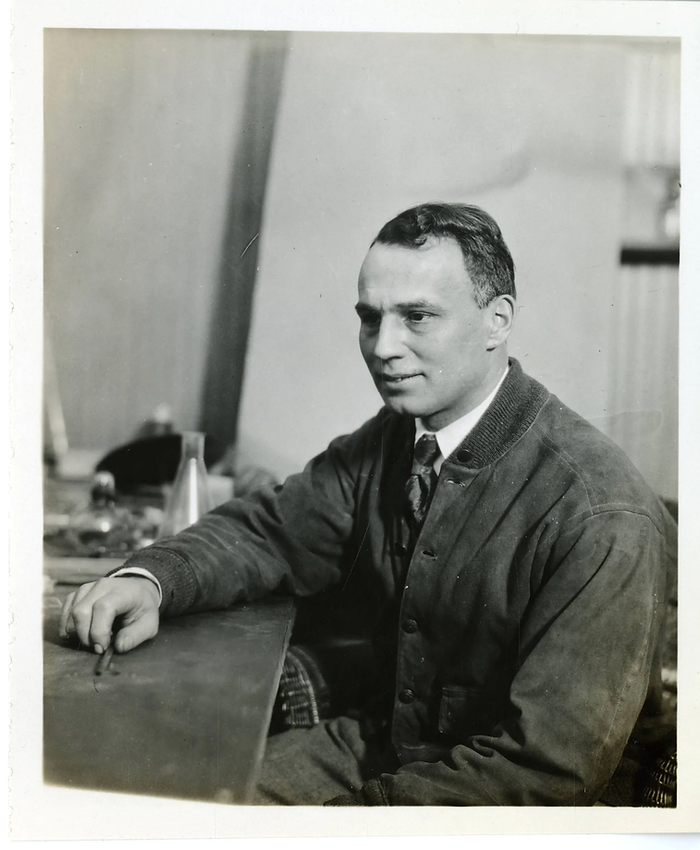
Alfred Lee Loomis Wall Street Tycoon, Physicist and Hilton Head Owner
Alfred Lee Loomis Wall Street Tycoon, Physicist and Hilton Head Owner Alfred Lee Loomis and his brother-in-law, Landon K.
Alfred Lee Loomis and his brother-in-law, Landon K. Thorne, owned 22,000 acres on Hilton Head Island, SC, in 1931, including the hunting lodge at Honey Horn.
In 1931, Alfred Loomis and Landon K. Thorne, the wealthy husband of Loomis’s sister Julia, purchased 22,000 acres of Hilton Head Island, which they established as a private preserve for riding, boating, fishing, and hunting. The centerpiece of the property was the old Honey Horn Plantation. But Loomis was much more than a wealthy “yankee” landowner… much more.
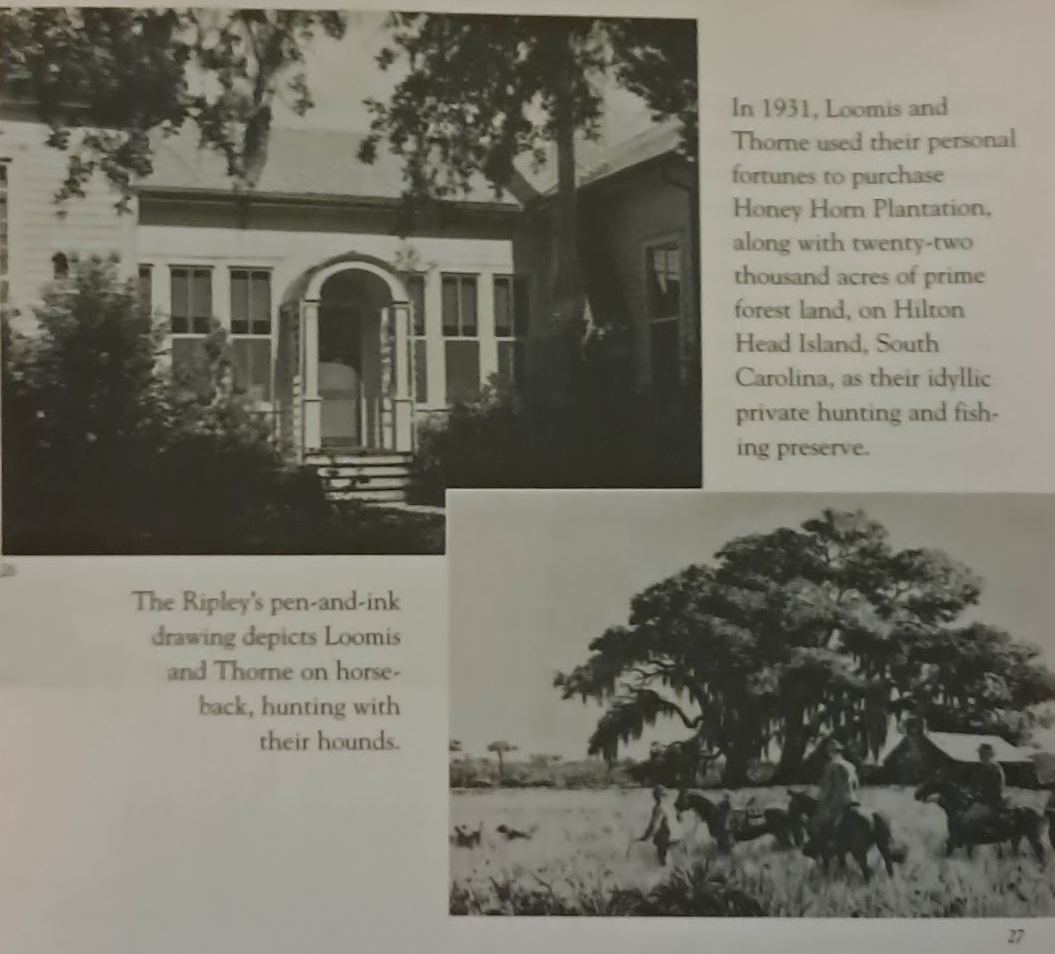
From the book Tuxedo Park by Jennet Conant. Photos courtesy of Mim Thorne Gilpatrick (top photo) and Bart Loomis (bottom photo)
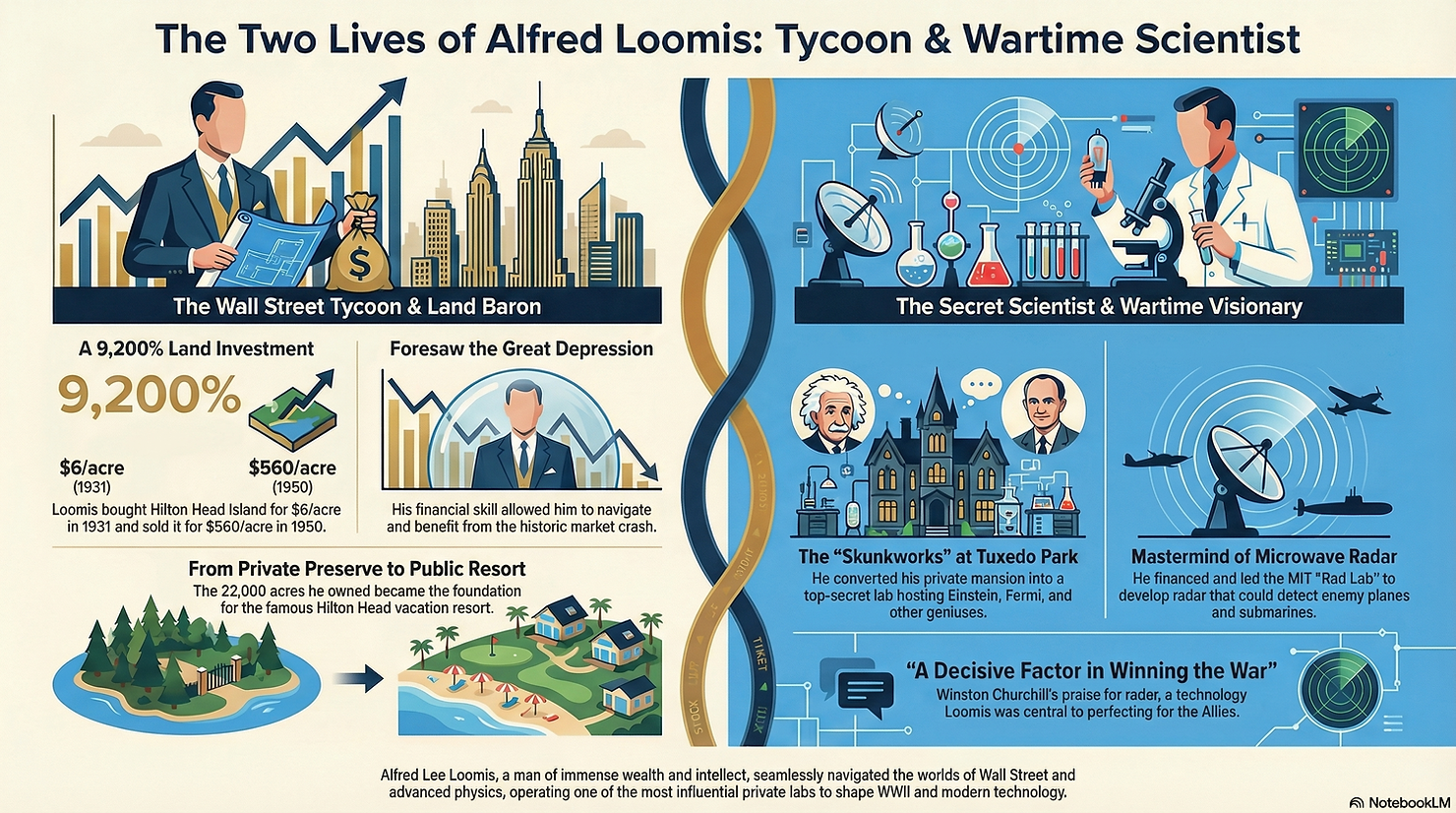
Honey Horn Plantation on Hilton Head Island, a total of twenty thousand prime acres of pine forest on the southern end, was sold by Loomis and Thorne in 1950 to a group of lumber associates from Hinesville, Georgia, called the Hilton Head Company. The property, which they had bought for $6 an acre, sold for $560 an acre—roughly $11.2 million, which Loomis later complained was too cheap. Two of the timbermen, General Joseph B. Fraser and Frederick C. Hack Sr., went on to develop the island as a vacation resort. The Hack family occupied Honey Horn until 1998, when the house and remaining sixty-eight-acre tract were purchased by the town of Hilton Head, which plans to restore the historic site and turn it into a museum. Source: Tuxedo Park, Jennet Conant
In the broad expanse of American history, few figures are as overlooked—and as worthy of recognition—as Alfred Lee Loomis. A man of immense wealth, unyielding curiosity, and remarkable intellect, Loomis seamlessly navigated both Wall Street and wartime science with exceptional skill. He foresaw the Great Depression and benefited from it, pioneered innovative technologies, and turned a quiet mansion in Tuxedo Park, New York, into a covert scientific “skunkworks.” While others captured the headlines, Loomis quietly influenced the course of history—financing and conducting radar research, mentoring Nobel laureates, and helping to lay the groundwork for the atomic bomb. Yet, most Americans remain unaware of him.
PLAY VIDEO ▶ Click the image above and then click Play to see Chapter 1 of The American Experience documentary about Alfred Loomis and his secret lab at Tuxedo Park, NY
Alfred Lee Loomis, a financier turned self-taught scientist, created one of the most influential private laboratories of the 20th century. At his Tuxedo Park estate, he hosted leading minds like Albert Einstein, Niels Bohr, Werner Heisenberg, and Enrico Fermi, fostering breakthroughs in physics and engineering. Reclusive yet visionary, he drove advances in radar, time measurement, and LORAN, and his work helped lay the foundation for the Manhattan Project. His reach extended beyond science—he was closely tied to the military establishment through his first cousin Henry Stimson, who served as Secretary of War during both World Wars.
Loomis’s most decisive impact came in the race to perfect radar. At the Massachusetts Institute of Technology’s Radiation Laboratory (“Rad Lab”), which he helped establish and personally financed, he coordinated the nation’s leading physicists and engineers. Far more than a patron, he applied his own technical skill to accelerate development of microwave radar, enabling the Allies to detect enemy aircraft and submarines with unprecedented precision. Winston Churchill later called radar a decisive factor in winning the war, and Loomis was central in transforming it into a powerful American weapon.
Further reading
As an Amazon Associate, we earn from qualifying purchases — at no cost to you.
 Tuxedo Park: A Wall Street Tycoon and the Secret Palace of Science That Changed the Course of World War II: Conant, JennetAmazon.comView on Amazon →
 THE TRUE LOVE STORY OF MANETTE SEELDRAYERS AND ALFRED LEE LOOMIS...THEIR ADVENTURES IN TUXEDO PARK...: Presented to the '81 Club Monday 10 January ... ... Nonfiction Books About Women and Men)MARSH, JOANView on Amazon →
 The Wee Wah Beach Club in Tuxedo Park: An American Story of Social Change: McGregor, Stuart J, Nash, Leonard, Gugger, HeatherAmazon.comView on Amazon →
 Tuxedo Park: Lives, Legacies, Legends: Chiu Yin HempelAmazon.comView on Amazon →
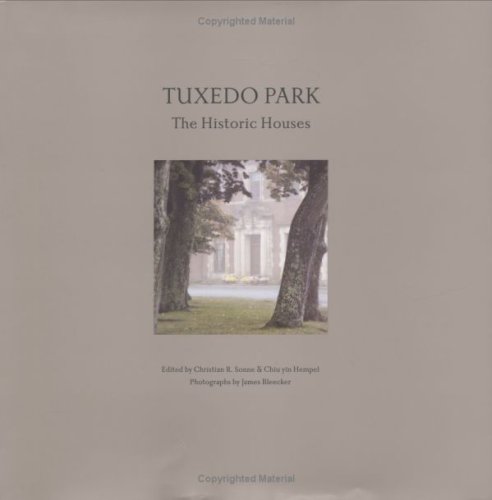 Tuxedo Park: The Historic Houses: Sonne, Christian R., Hempel, Chiu Yin, Bleecker, JamesAmazon.comView on Amazon →
 Tuxedo Park: A Journal of Recollections: Albert Foster WinslowAmazon.comView on Amazon →
Beyond radar, Loomis championed atomic research, early computing, and other technologies that shaped modern science. His ability to link private wealth with government-backed research made him a quiet architect of American innovation. Though history often overlooks him, his legacy runs from World War II victories to technologies still embedded in daily life.
Even before the war, Loomis had attracted attention by converting his Tuxedo Park mansion into a cutting-edge laboratory. There, in a setting of elegance and secrecy, Nobel laureates and future scientific leaders worked on experiments that pushed the frontiers of knowledge. Entirely self-funded, the estate became a legendary “science salon,” bridging social prestige with groundbreaking discovery.
PLAY VIDEO ▶ Click the image above to see Alfred Loomis’ Lab, Tower House, at Tuxedo Park, NY
When he wasn’t pushing the boundaries of physics, Loomis was acquiring vast areas of the American landscape—most notably Hilton Head Island, which he privately owned long before it became a well-known resort. For Loomis, these properties were not about luxury; they were places for retreat, reflection, and, when necessary, privacy.
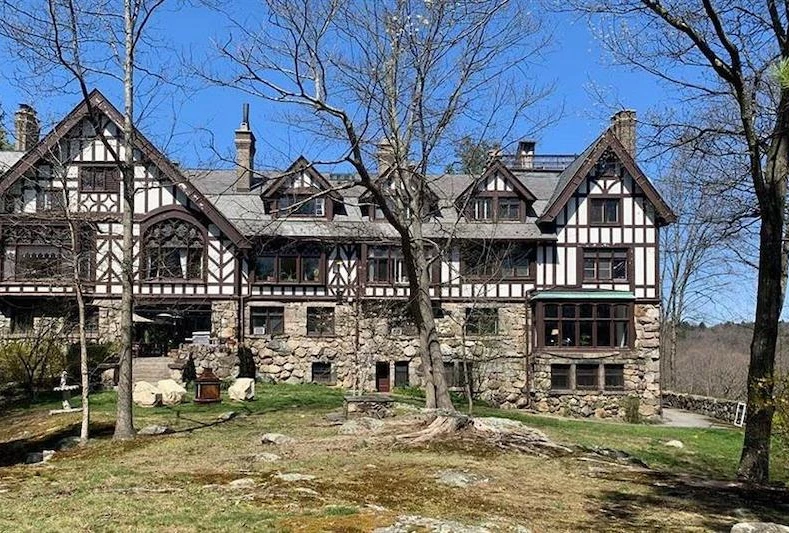
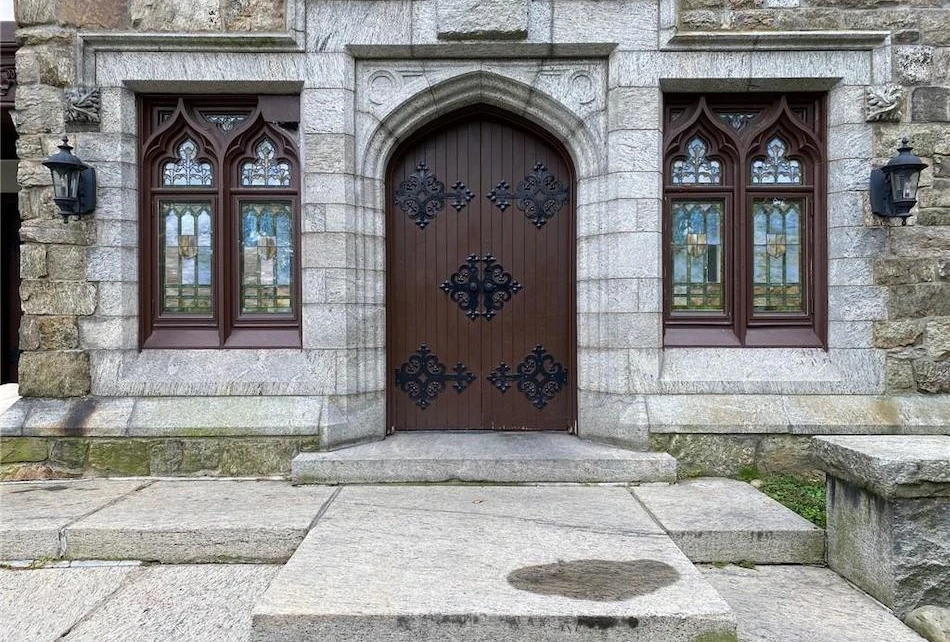
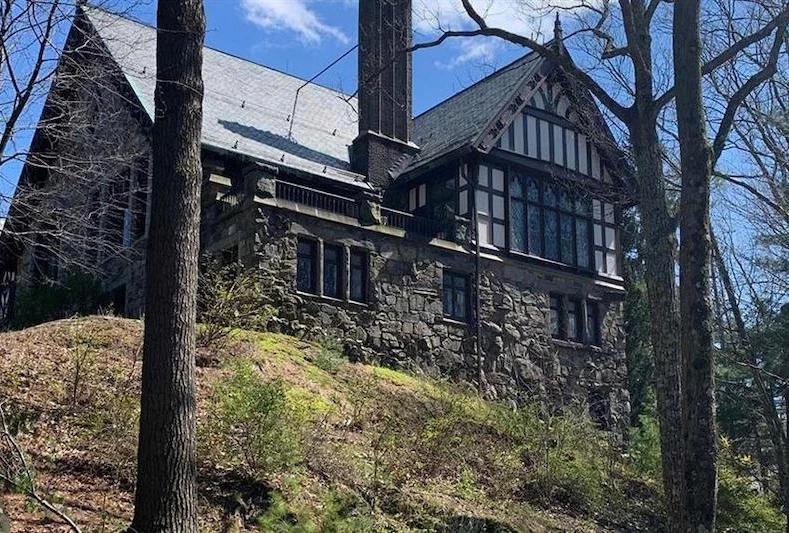
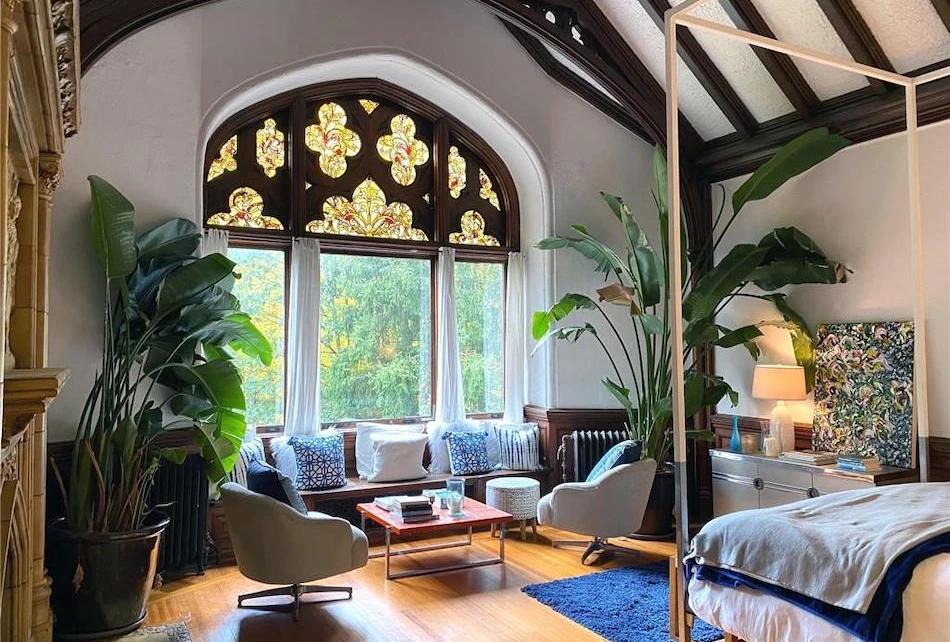
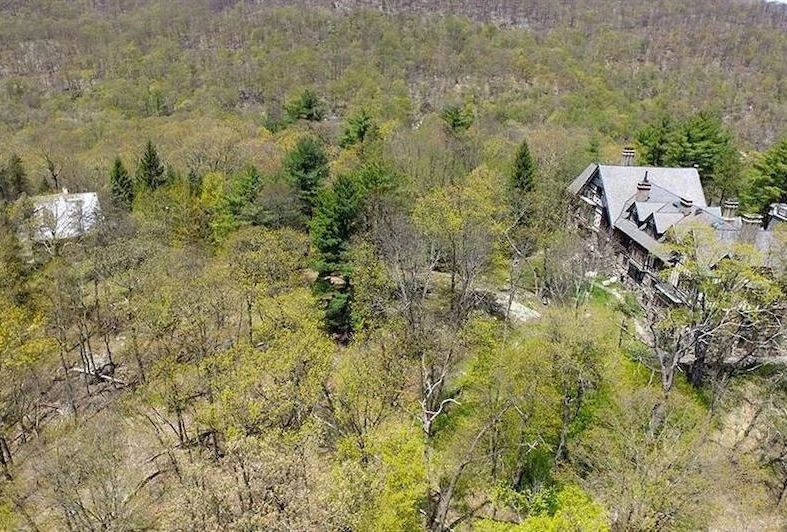
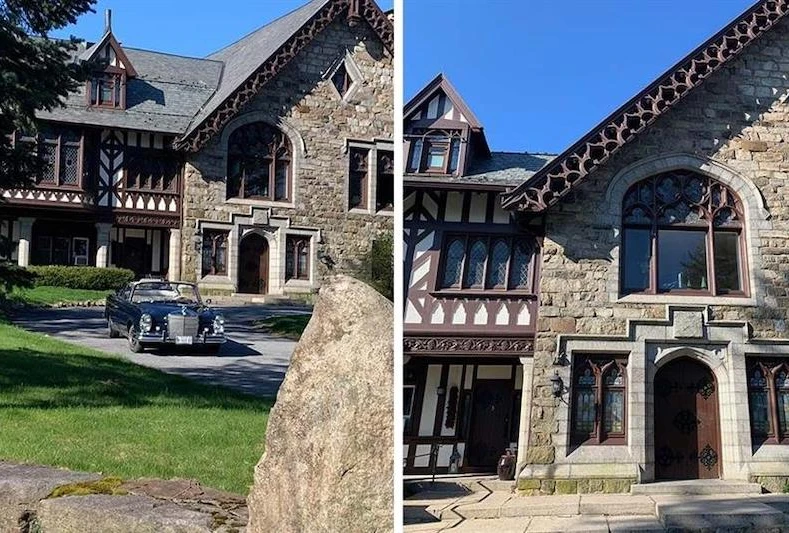
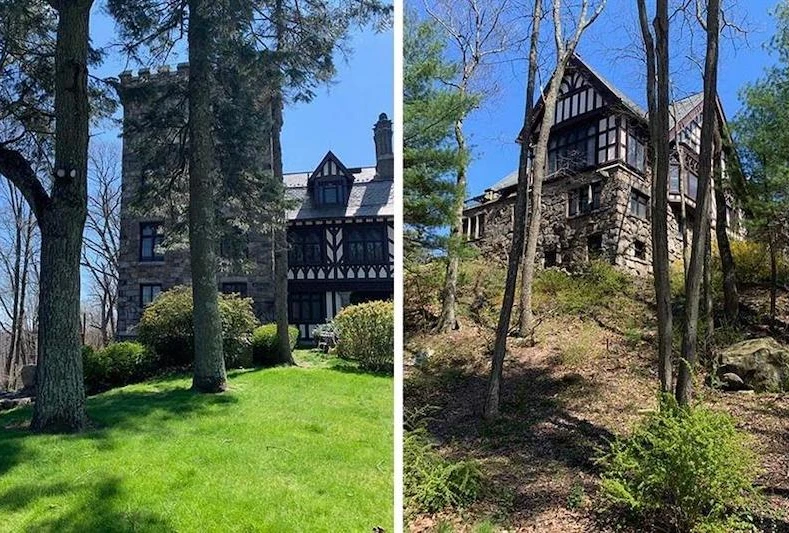
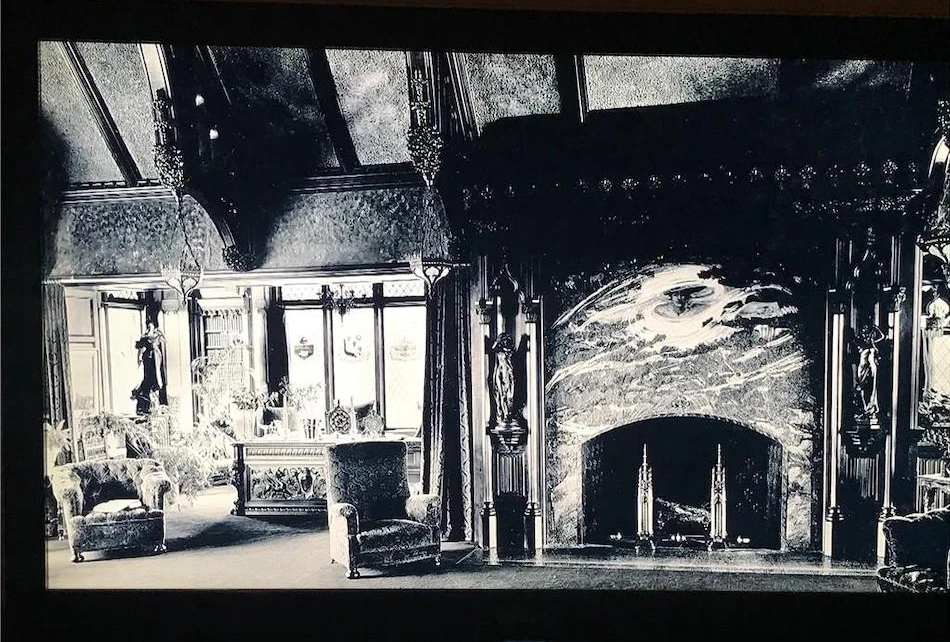
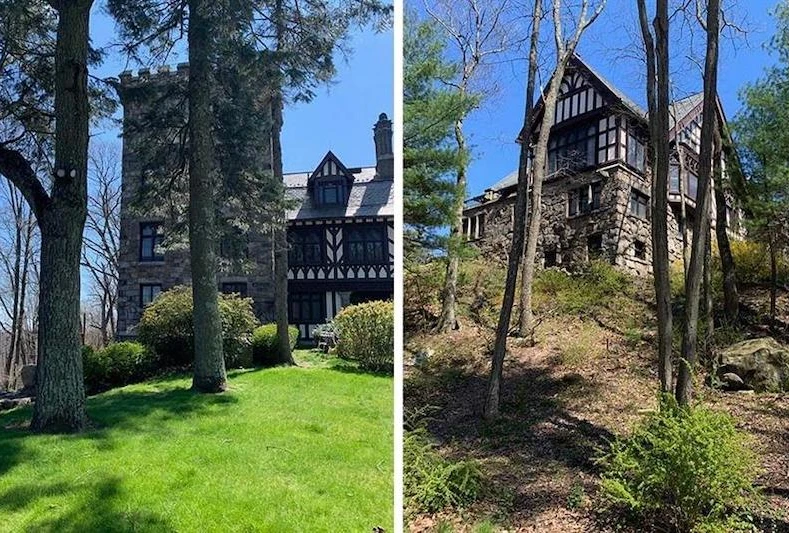
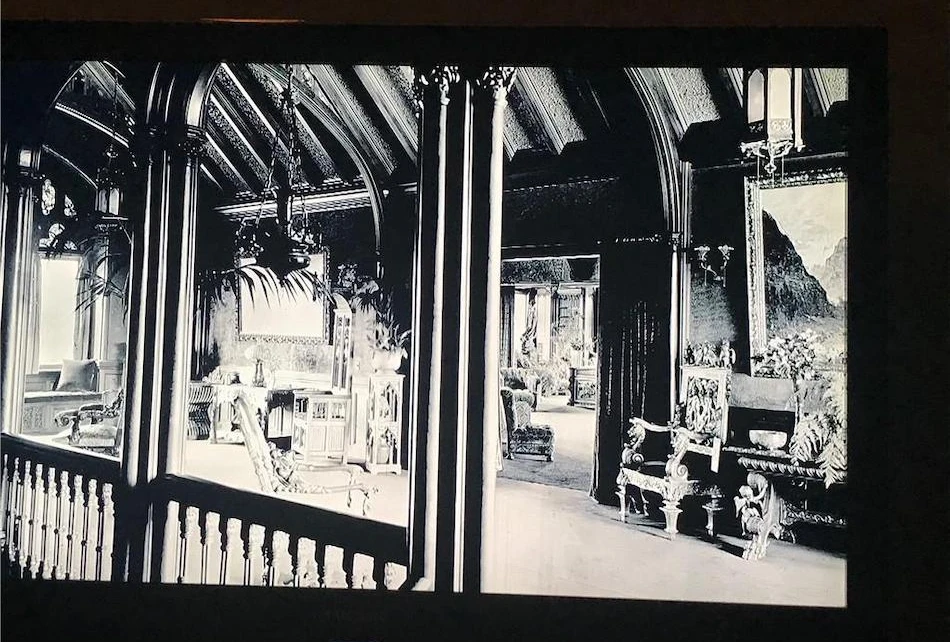
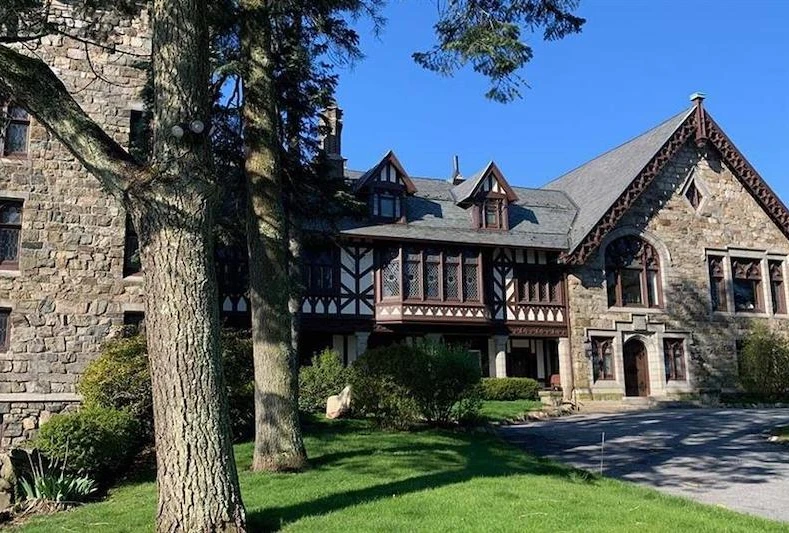
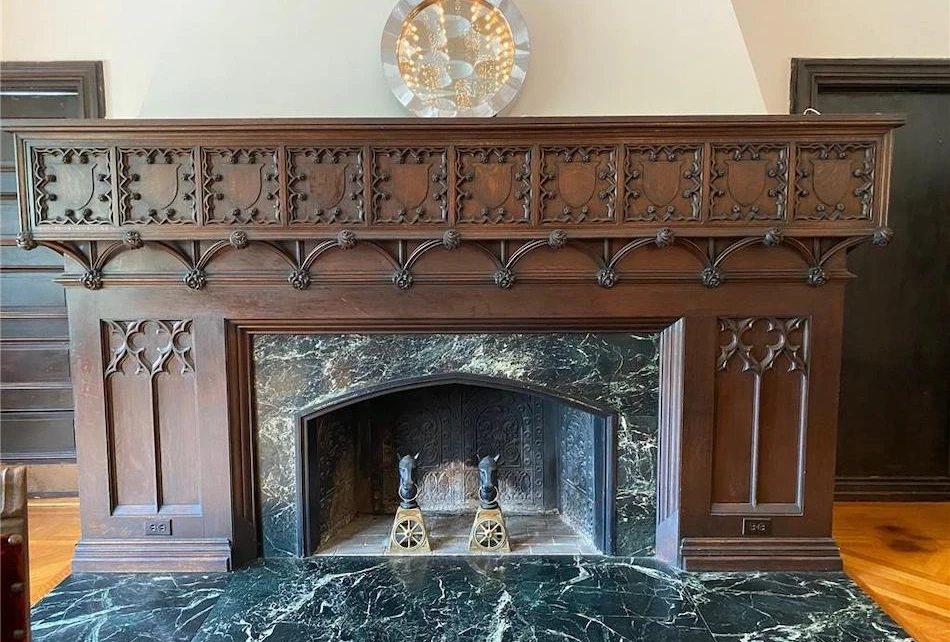
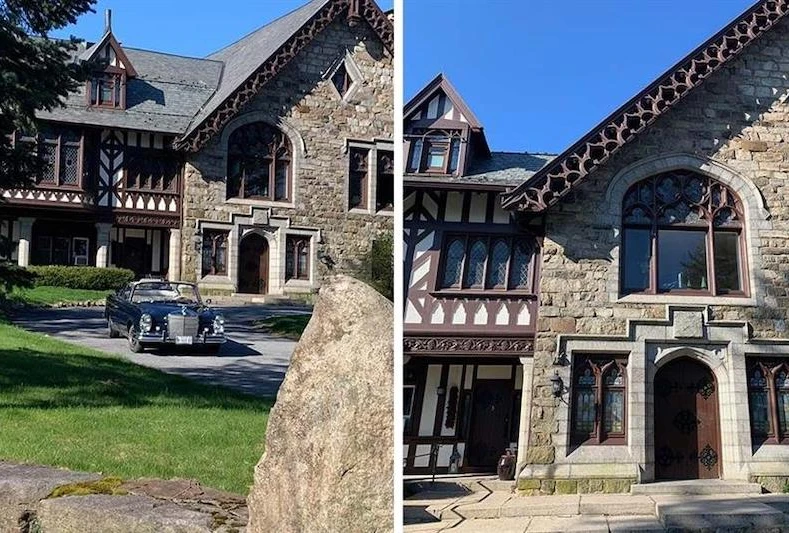
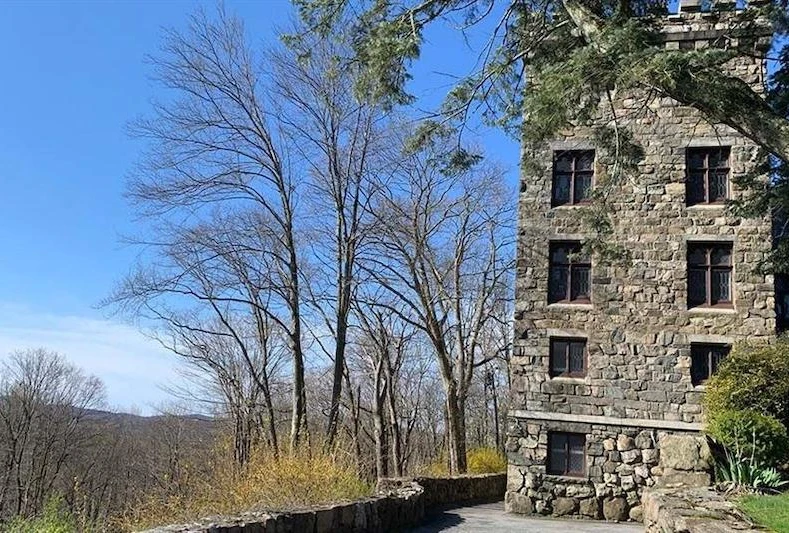
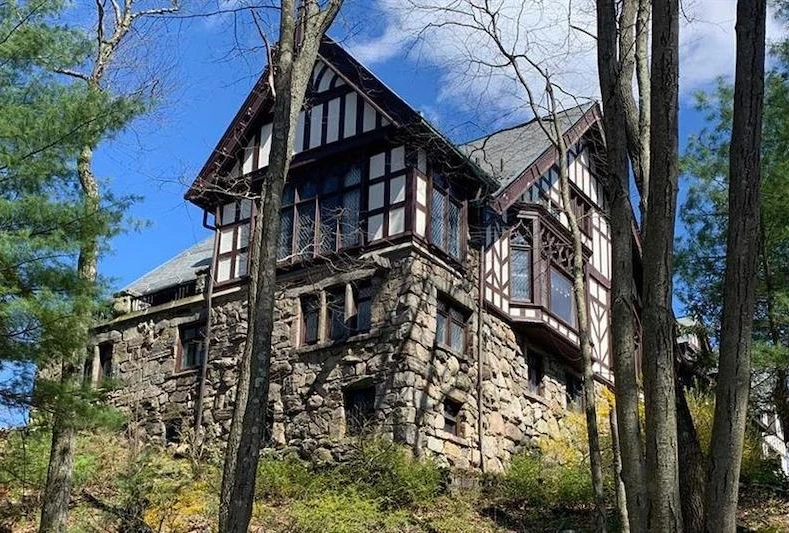
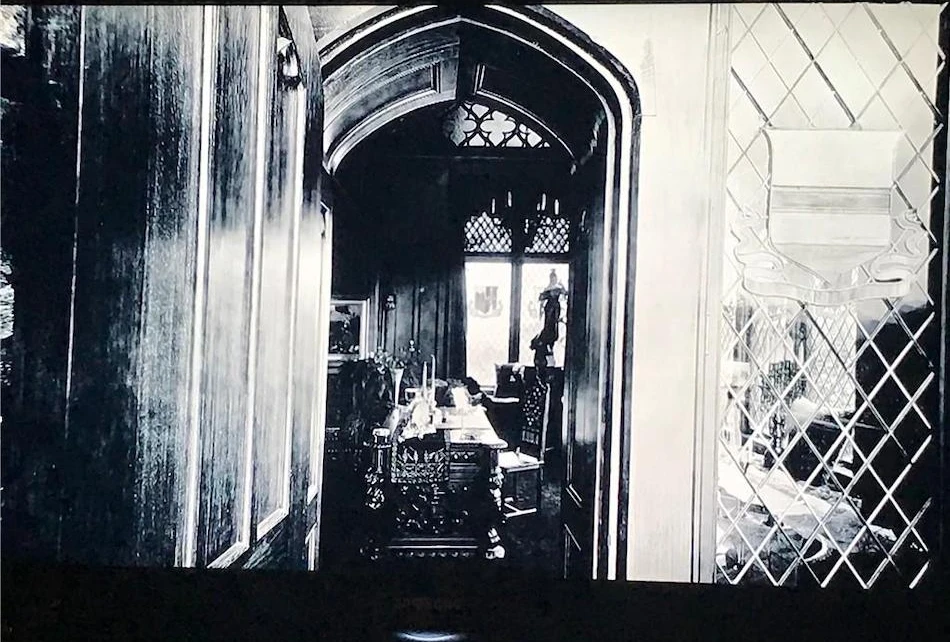
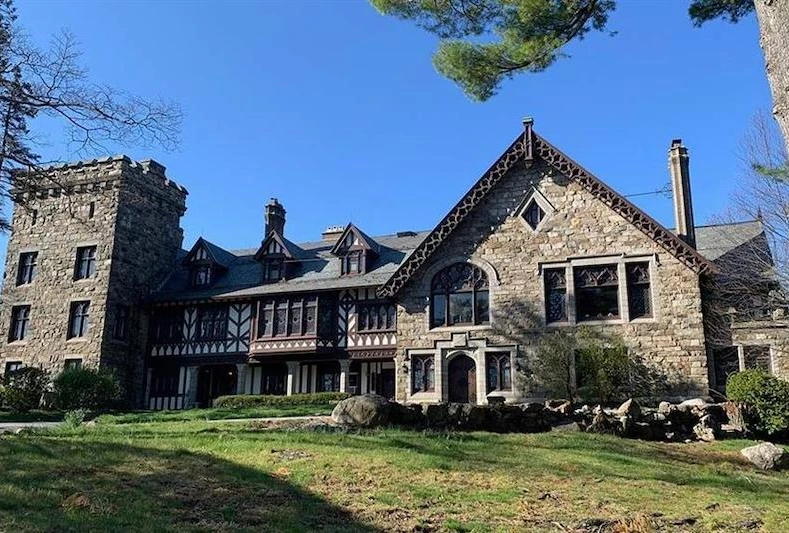
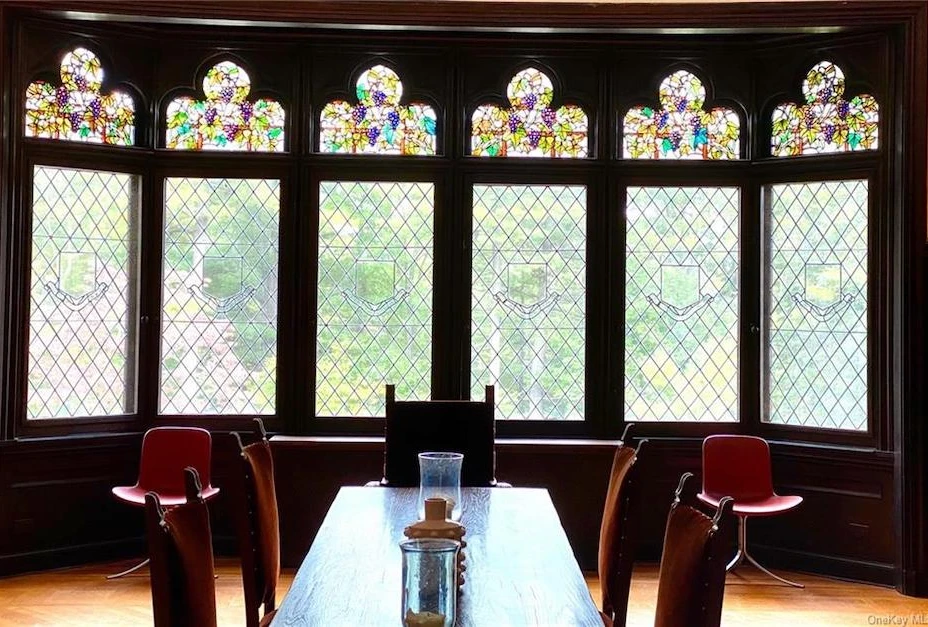
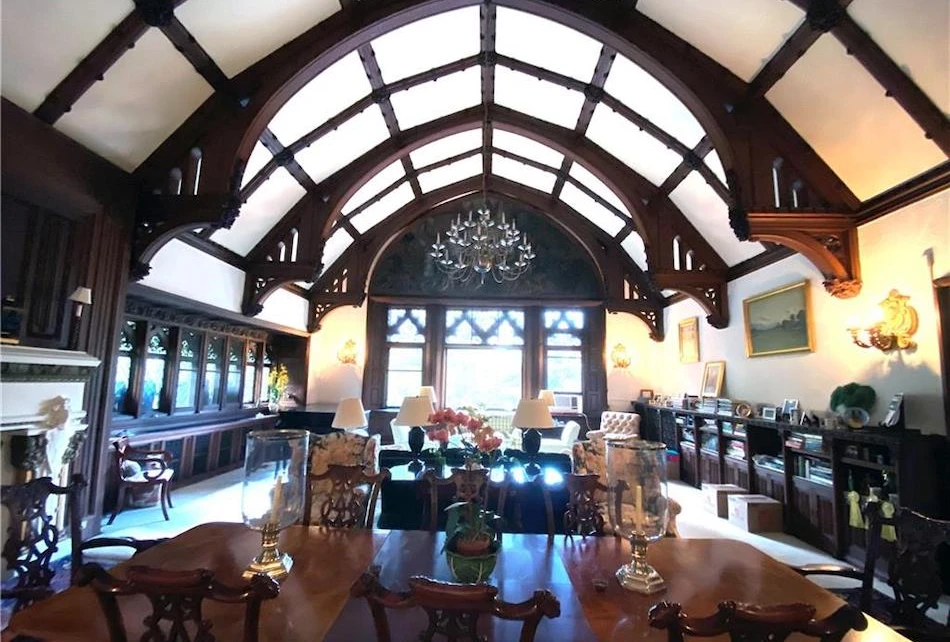
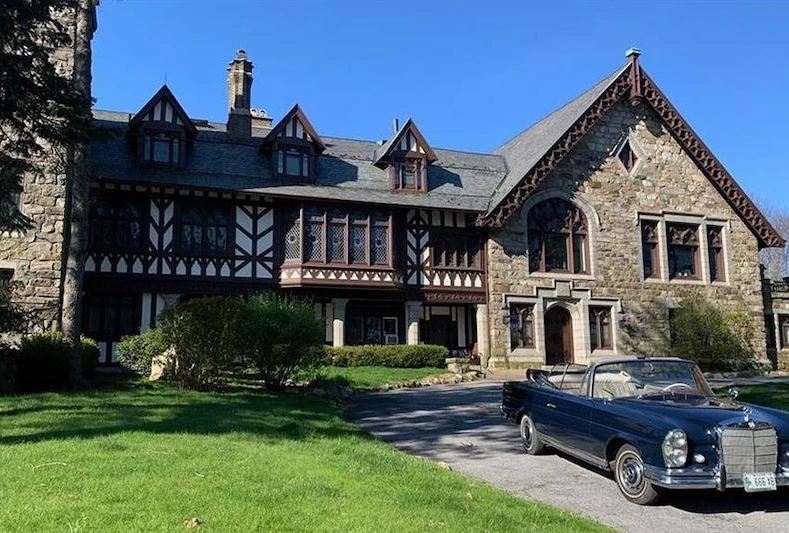
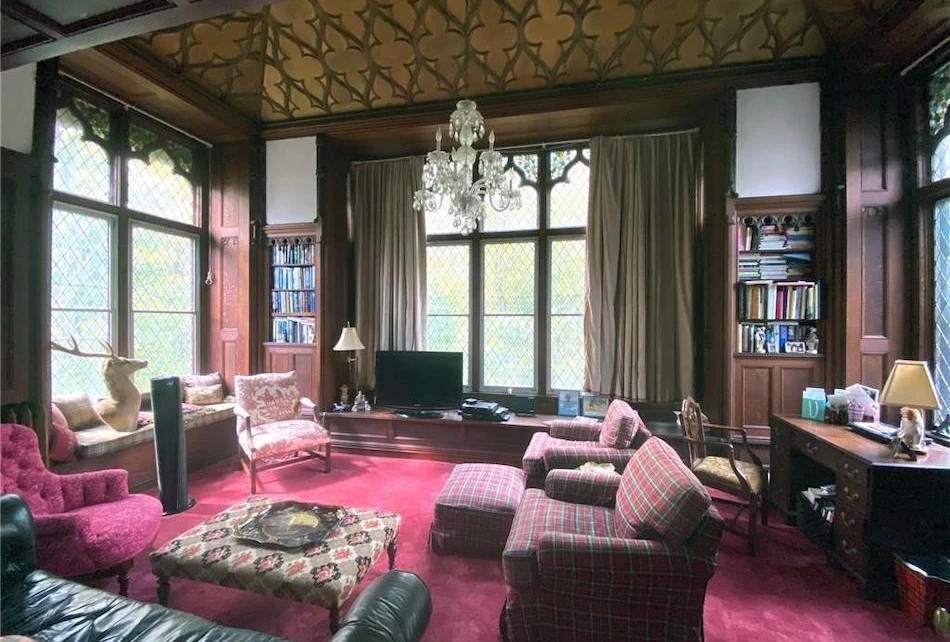
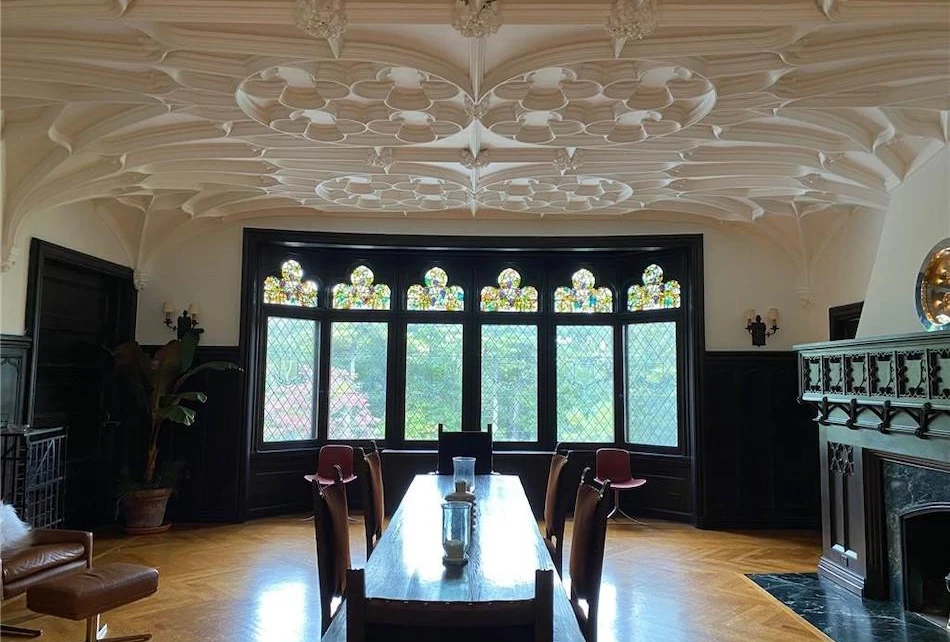
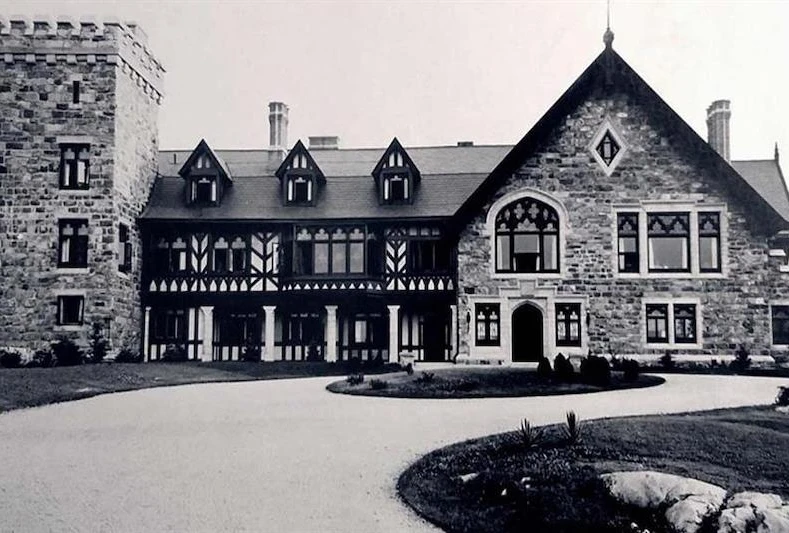

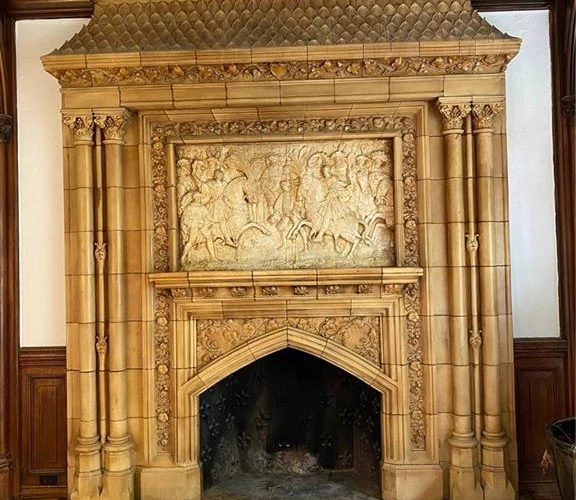
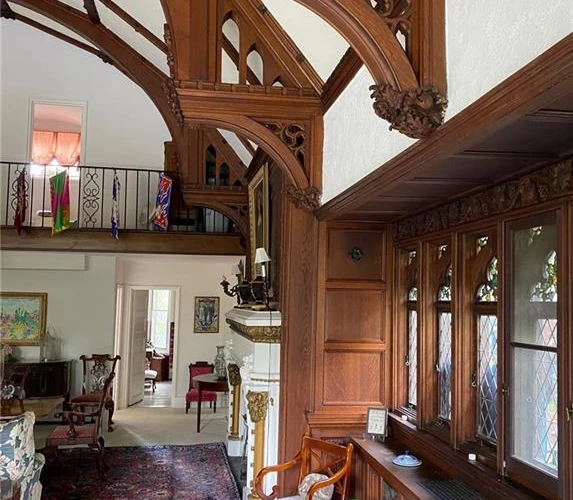
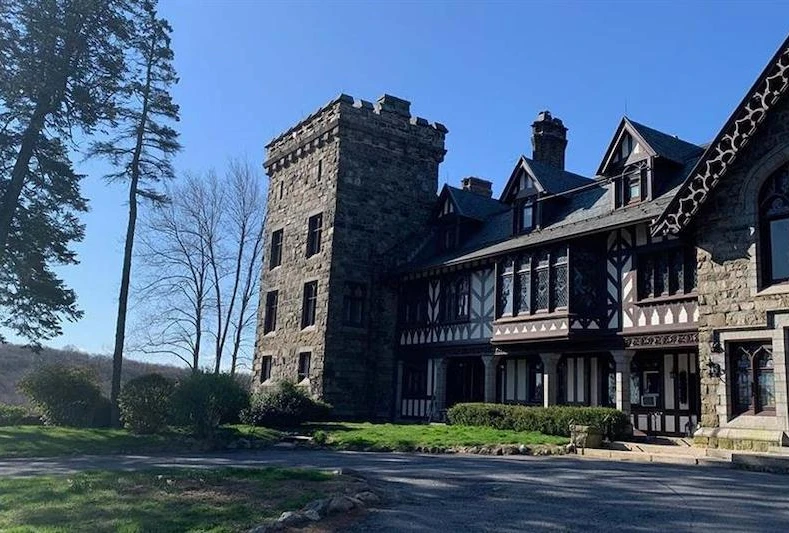
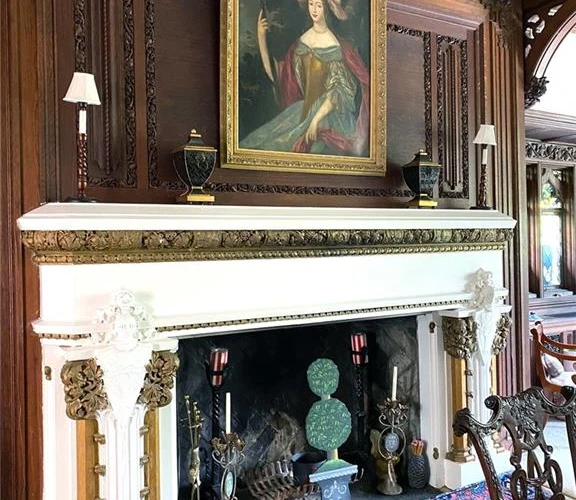
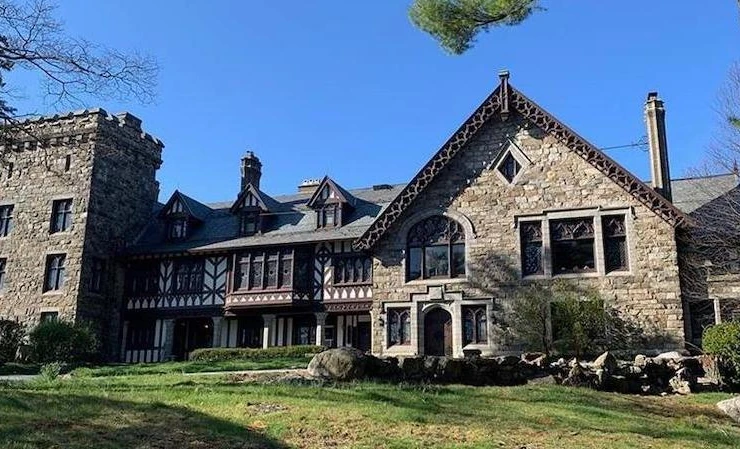
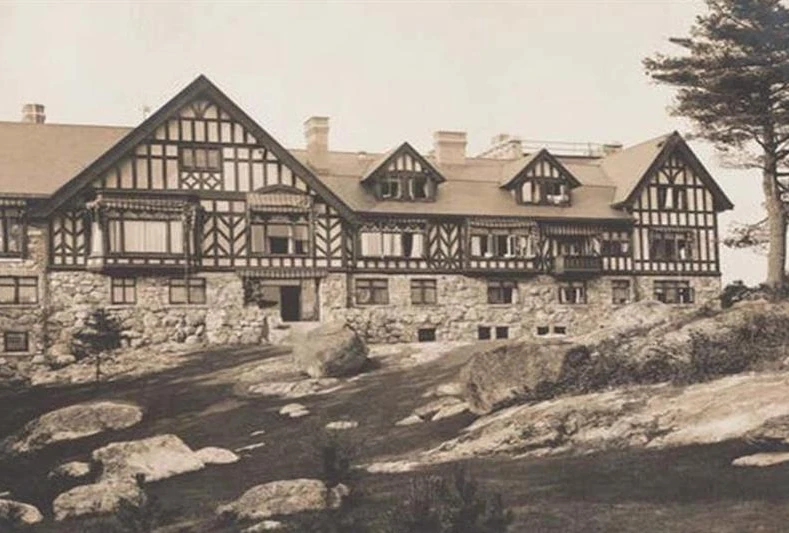
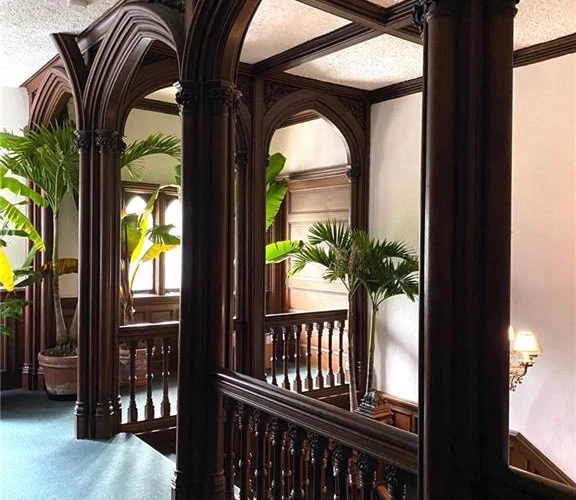
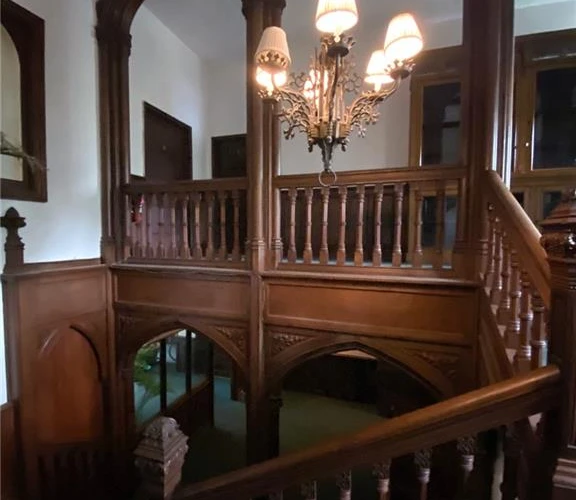
Tower House at Tuxedo Park today
Alfred Loomis never sought fame. However, without his influence, the history of American science—and the outcome of World War II—would have been significantly different.
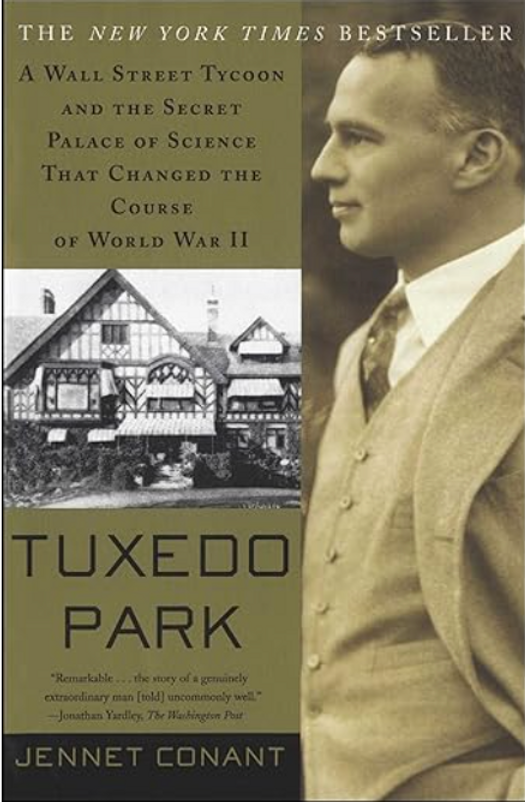
Would you like to know more? Check out the book Tuxedo Park by Jennet Conant.