
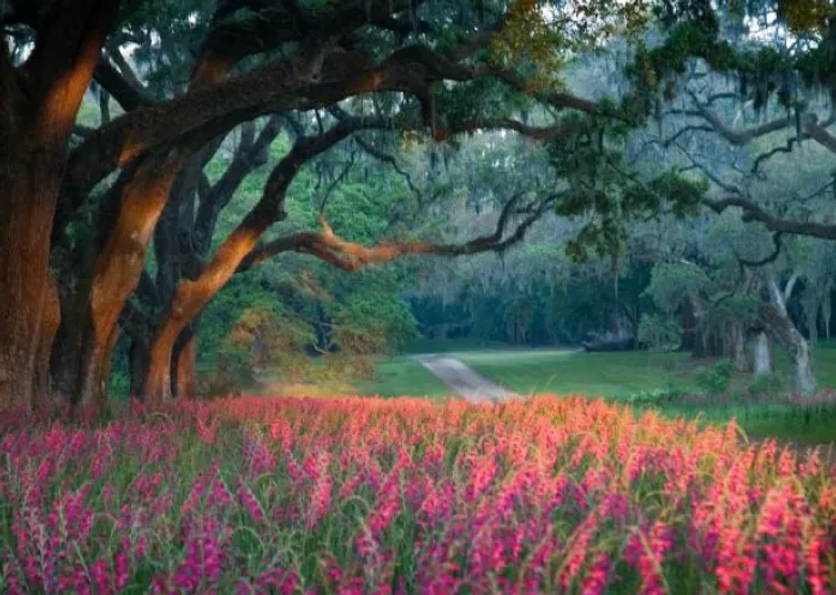
Historical article
Spring Island
In the tidal waters of South Carolina’s Port Royal Sound lies Spring Island, a place where history is written not in monuments, but in land use, ownership, and restraint.
In the tidal waters of South Carolina’s Port Royal Sound lies Spring Island, a place where history is written not in monuments, but in land use, ownership, and restraint. While many coastal islands were stripped, subdivided, or overbuilt, Spring Island’s story is one of continuity—marked by long periods of private control, agricultural dominance, postwar abandonment, and ultimately, deliberate preservation.
Its modern character as a carefully planned community within a protected landscape is inseparable from its deeper past.
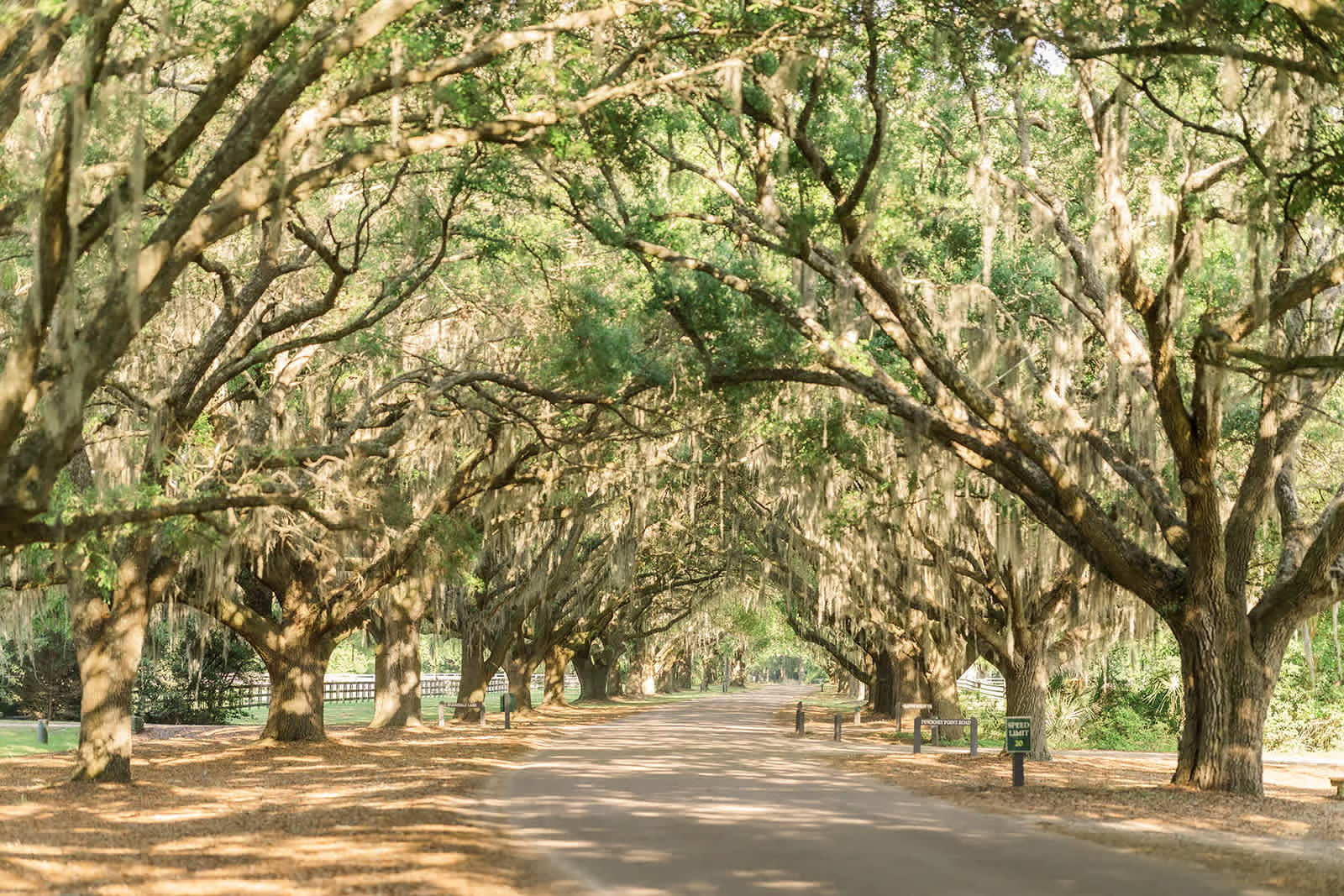
Spring Island | Private Waterfront Community in Beaufort SC
Discover life at Spring Island, a unique waterfront community in the heart of the Lowcountry in Beaufort, SC, offering exquisite homes and an array of amenities.
An Ancient and Strategic Place
Long before deeds and plantations, Spring Island was part of a vast Indigenous network that stretched across the southeastern coast. Archaeological evidence confirms human activity in the region more than 10,000 years ago, with Native peoples drawn to the island’s freshwater springs, tidal creeks, shellfish beds, and game-rich forests.
Seasonal movement defined life here. The island was not an isolated outpost, but a node within a broader Lowcountry ecosystem—an idea that would echo centuries later in modern conservation thinking.
Colonial Ownership and the Plantation Order
By the early 18th century, English colonization brought Spring Island into the orbit of imperial land grants. In 1706, the island—then known as Cochran’s Island—was granted to John Cochran, a Scottish immigrant. Ownership later passed to the Edwards family, who would define the island’s longest and most consequential era.
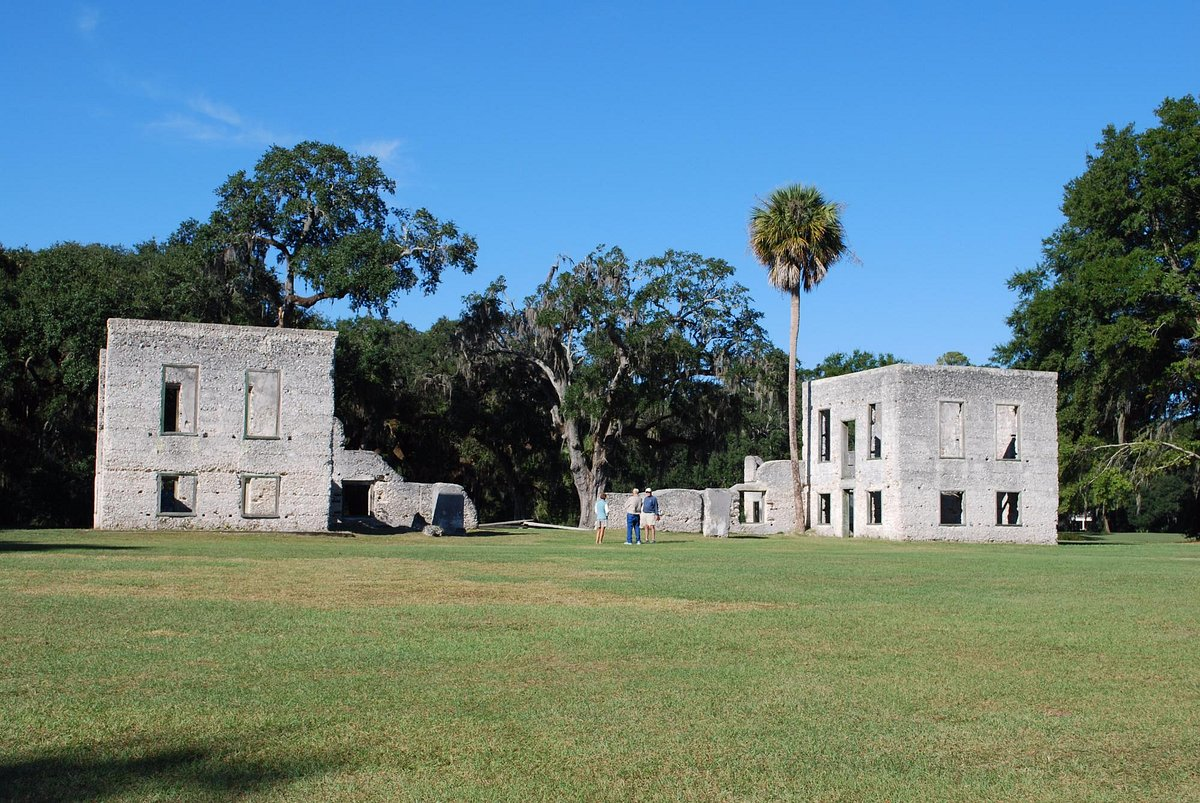
The island’s plantation ruins are all that remain of a grand plantation estate built in the early 1800s by George Edwards, a descendant of the island’s original 1706 grantee, John Cochran. Edwards amassed immense wealth cultivating Sea Island cotton, a luxury fiber so profitable it was known as “white gold.” At its peak in 1840, the estate was home to at least 250 enslaved people who lived and worked on the island.
Further reading
As an Amazon Associate, we earn from qualifying purchases — at no cost to you.
The Art of Tabby Construction
The structures are famous for their tabby construction, a “coastal concrete” made from a labor-intensive mix of burned oyster shells (lime), sand, water, and whole shells. The main house featured a unique tripartite design, with a central two-story block and flanking wings added around 1810 to catch the cool river breezes.
Civil War and the “Old House” Myth
While local legend often claims the mansion was burned by Union troops during the Civil War, historical records suggest it survived the initial conflict. In 1862, a Union soldier’s diary described the home as “large, roomy and imposing,” though vandals had already begun to strip its elegant interior. The estate eventually fell into disrepair as the island’s cotton fortune faded, though the ruins themselves remain resilient.
A Sacred Landscape
Today, the site is much more than just a historical marker on the Old Tabby Links golf course:
The “Old House” Cemetery: A hallowed grove where generations of enslaved workers and later tenant farmers were laid to rest.
Civil War Heroes: The cemetery contains the graves of two U.S. Colored Troops veterans, Anthony Edwards and Collins Mitchell, who returned to the island as free men after the war.
Modern Preservation: The ruins are meticulously maintained by the Spring Island Trust, which manages the island’s 3,000-acre nature preserve.
During the late 18th and early 19th centuries, Spring Island became a fully realized Sea Island cotton plantation, worked by hundreds of enslaved African Americans. By 1850, nearly three-quarters of the island had been cleared and cultivated, a dramatic transformation of the natural landscape in service of one of the South’s most profitable crops.
This was a classic Lowcountry plantation system: wealth concentrated in land, labor coerced and controlled, and cultural traditions preserved largely through the resilience of the enslaved community. Elements of Gullah Geechee culture—language, craftsmanship, and land knowledge—took root here, as they did throughout the Sea Islands.
War, Emancipation, and Reversion to Nature
The Civil War brought abrupt disruption. Union naval forces entered Port Royal Sound in 1861, and the plantation economy collapsed almost overnight. Planters fled. Enslaved people gained freedom. Fields once meticulously maintained were abandoned.
Nature moved quickly to reclaim the land agriculture had transformed. Live oaks, pines, and understory growth returned, slowly reshaping the island into the forested landscape familiar today.
One of the island’s most compelling post-war figures was Collins Mitchell, born enslaved on Spring Island, who later served in the 21st United States Colored Troops. After the war, Mitchell returned to live on the island until his death in 1910—a rare through-line connecting slavery, emancipation, military service, and postwar Lowcountry life.
From Working Land to Sporting Estate
By the early 20th century, Spring Island passed out of plantation hands and into a more fragmented phase of ownership. Farming, logging, cattle grazing, and hunting defined its use. Like many former plantation properties, it functioned as productive land rather than a social showplace.
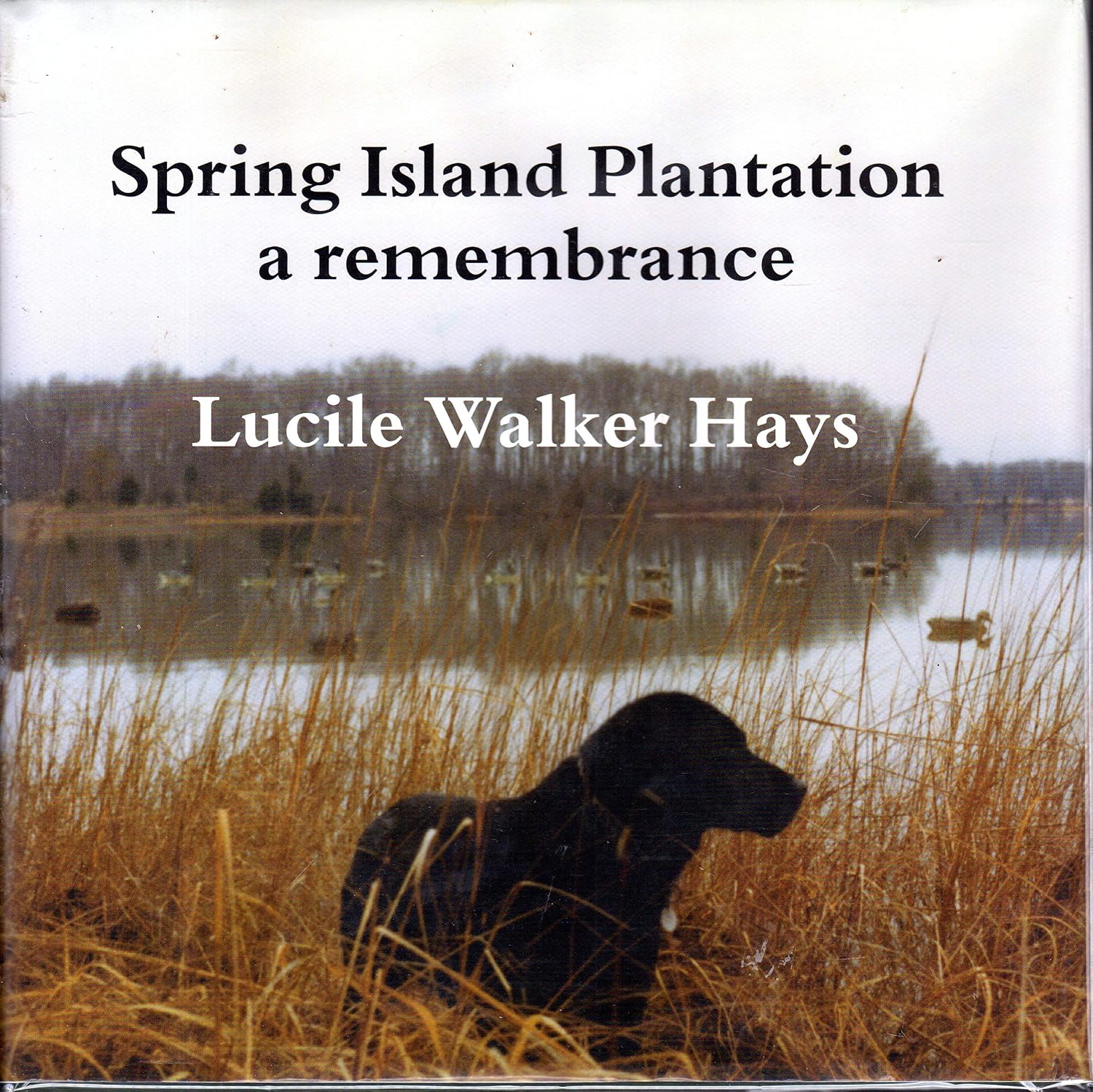
A turning point came in 1964, when New York financiers Elisha and Lucile Walker acquired the island. Their vision echoed an older tradition associated with Gilded Age estates: land as refuge, sporting ground, and controlled environment. Roads were laid out, wildlife habitats enhanced, and architectural features—such as the island chapel and oak allees—were added with restraint rather than spectacle.
A Gilded Age Idea, Realized Late
In the late 1980s, developers Jim Chaffin and Jim Light advanced a concept that would define Spring Island’s modern identity: a residential community embedded within a preserved landscape, not imposed upon it.
This idea—rooted in elite estate planning traditions of the late 19th and early 20th centuries—was executed with unusual discipline. Large tracts were permanently conserved. Homes were clustered. Visual dominance was ceded to forests, marshes, and water.
The Spring Island Trust, founded in 1990, institutionalized this philosophy, ensuring that ecological and historical stewardship would outlast any single generation of owners.
An Island Where History Still Governs
Today, Spring Island stands as a rare example of what happens when land passes through centuries of concentrated ownership and emerges with its character largely intact. Its forests grew back because development paused. Its history is legible because it was never erased wholesale.
From Indigenous lifeways to plantation wealth, from postwar abandonment to modern conservation, Spring Island reflects the long arc of the Lowcountry itself—compressed into a single, carefully guarded place.
Spring Island: Historical Timeline (Condensed)
10,000+ years ago – Indigenous peoples inhabit the Port Royal Sound region
1706 – Spring Island granted to John Cochran
Late 1700s–1861 – Edwards family era; Sea Island cotton plantation worked by enslaved labor
1861 – Union forces enter Port Royal Sound; plantation economy collapses
1865–1910 – Post-emancipation period; Collins Mitchell lives on Spring Island
Early 1900s – Farming, logging, and hunting dominate land use
1964 – Elisha and Lucile Walker acquire the island
Late 1980s – Master-planned conservation community envisioned
1990 – Spring Island Trust founded
1992–1993 – Bridge access, first golf course, and homes completed